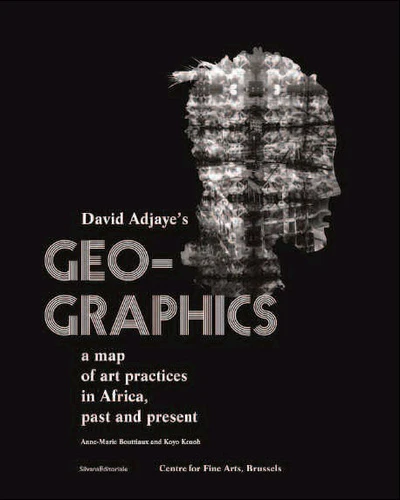
GEO-graphics is based on a concept developed by artistic director David Adjaye, in which the artworks are grouped according to their geographic zones. This novel approach allows curators Anne-Marie Bouttiaux and Koyo Kouoh to place ethnographic masterpieces and works of contemporary art along a continuum, thereby creating a dialogue between the pieces from the RMCA and from other Belgian collections, both public and private, and the work of the eight art centres selected for the active role they are playing in the development of Africa's artistic landscape.
These centres and the artists they work with throw new light on the ethnographic pieces, which we can now approach through a more urban perspective and with a heightened awareness of their contemporary manifestations. David Adjaye's scenography and his photographs of African capitals suggest the subtle but intimate ways through which cultural output and the urban environment intertwine. What emerges from the meeting of these various elements is a new, and different,
history and cartography of Africa.
GEO-graphics is based on a concept developed by artistic director David Adjaye, in which the artworks are grouped according to their geographic zones. This novel approach allows curators Anne-Marie Bouttiaux and Koyo Kouoh to place ethnographic masterpieces and works of contemporary art along a continuum, thereby creating a dialogue between the pieces from the RMCA and from other Belgian collections, both public and private, and the work of the eight art centres selected for the active role they are playing in the development of Africa's artistic landscape.
These centres and the artists they work with throw new light on the ethnographic pieces, which we can now approach through a more urban perspective and with a heightened awareness of their contemporary manifestations. David Adjaye's scenography and his photographs of African capitals suggest the subtle but intimate ways through which cultural output and the urban environment intertwine. What emerges from the meeting of these various elements is a new, and different,
history and cartography of Africa.