SOLDES
Jusqu'à -70% sur une sélection d'articles*


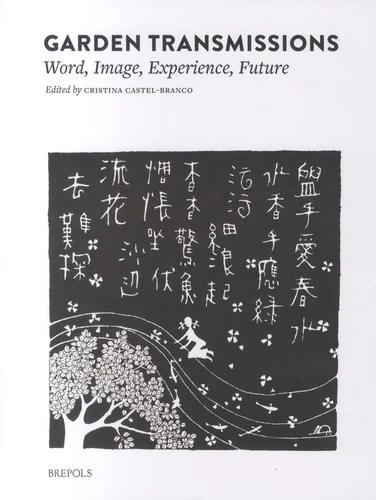
Garden Transmissions. Word, image, experience, future
Par :Formats :
- Paiement en ligne :
- Livraison à domicile ou en point Mondial Relay estimée à partir du 24 novembreCet article sera commandé chez un fournisseur et vous sera envoyé 127 jours après la date de votre commande.
- Retrait Click and Collect en magasin gratuit
- Livraison à domicile ou en point Mondial Relay estimée à partir du 24 novembre
- Réservation en ligne avec paiement en magasin :
- Indisponible pour réserver et payer en magasin
- Nombre de pages252
- FormatGrand Format
- PrésentationRelié
- Poids1.32 kg
- Dimensions22,0 cm × 29,0 cm × 2,7 cm
- ISBN978-2-503-60585-2
- EAN9782503605852
- Date de parution01/01/2023
- ÉditeurBrepols
- PréfacierDidier Wirth
Résumé
Garden transmissions : word, image, experience, future examines the ways in which the exchange of garden forms, designs, technologies, and styles created a global garden culturo at the intersection of nature and cultural expression from the early modem age to the present. Europe, at the center of this global exchange, drew inspiration from Islamic and Chinese garden traditions and benefitted from the traffic of botanical novelties from the Americas.
In turn, European models were successfully exported to other parts of the world and adapted to other landscapes, environments, and climates. The appropriation of new design ideas, methods, and trends resulted in new garden types and invigorated earlier approaches to horticulture. These garden transmissions - effected through the exchange of writing and images as well as direct contact between cultures - provided the tools for fruitful cross-pollination of knowledge and skills as a mode of mediation between humans and nature.
In turn, European models were successfully exported to other parts of the world and adapted to other landscapes, environments, and climates. The appropriation of new design ideas, methods, and trends resulted in new garden types and invigorated earlier approaches to horticulture. These garden transmissions - effected through the exchange of writing and images as well as direct contact between cultures - provided the tools for fruitful cross-pollination of knowledge and skills as a mode of mediation between humans and nature.