

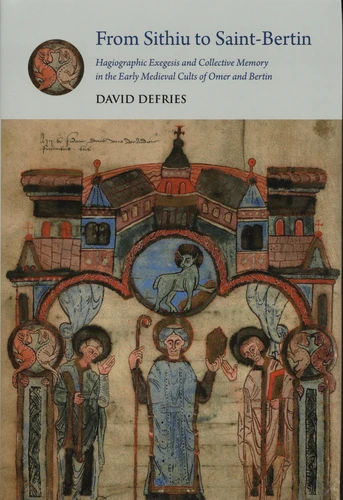
From Sithiu to Saint-Bertin. Hagiographic Exegesis and Collective Memory in the Early Medieval Cults of Omer and Bertin
Par :Formats :
- Paiement en ligne :
- Livraison à domicile ou en point Mondial Relay estimée à partir du 31 décembreCet article sera commandé chez un fournisseur et vous sera envoyé 127 jours après la date de votre commande.
- Retrait Click and Collect en magasin gratuit
- Nombre de pages342
- FormatGrand Format
- PrésentationRelié
- Poids0.715 kg
- Dimensions16,4 cm × 23,6 cm × 3,2 cm
- ISBN978-0-88844-219-2
- EAN9780888442192
- Date de parution29/10/2019
- CollectionStudies and texts
- ÉditeurPIMS
Résumé
This book is a comprehensive, in-depth study of the early history of the monastery of Saint-Bertin (c. 650-1000). David Defries analyses the narrative texts concerning the history of Saints Omer, Bertin, and Winnoc. He argues not only for new dates for several of the vitae, but also for hitherto unnoticed intertextual relationships between these texts and many others, such as the Regula Magistri, the Regula Benedicti, and Gregory's Regula Pastoralis.
Defries's new interpretations of principal sources provide important new insights, especially into the background and the consequences of the reform undertaken by Abbot Fridegis in the 820s and the relationship between the canonical and the monastic communities at Saint-Bertin and Saint-Omer from that point onwards. Methodologically, the book is a remarkable plea to interpret early medieval narrative sources in a new way : Defries argues persuasively that in using hagiography and historiography as historical sources we must take early medieval hermeneutics and exegesis into account.
Steffen Patzold, University of Tübingen.
Defries's new interpretations of principal sources provide important new insights, especially into the background and the consequences of the reform undertaken by Abbot Fridegis in the 820s and the relationship between the canonical and the monastic communities at Saint-Bertin and Saint-Omer from that point onwards. Methodologically, the book is a remarkable plea to interpret early medieval narrative sources in a new way : Defries argues persuasively that in using hagiography and historiography as historical sources we must take early medieval hermeneutics and exegesis into account.
Steffen Patzold, University of Tübingen.