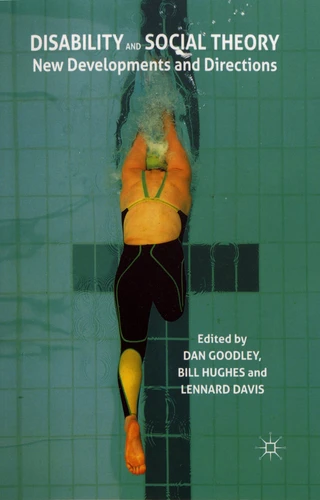
Disability and Social Theory. New Developments and Directions
Par : , ,Formats :
- Nombre de pages348
- FormatGrand Format
- PrésentationBroché
- Poids0.458 kg
- Dimensions14,0 cm × 21,6 cm × 1,9 cm
- ISBN978-1-349-31823-0
- EAN9781349318230
- Date de parution01/06/2012
- ÉditeurPalgrave Macmillan
Résumé
This comprehensive, interdisciplinary collection examines disability from a theoretical perspective. Each chapter challenges dominant biological, individualistic and psychological views of disability, drawing on one or two theories (and theorists) to advance a sustained analysis of disability, impairment and society. Social theories of disability intersect with other transformative ideas around sex/gender, race/ethnicity, class, sexuality and nation, and also engage with ideas born poststructuralism, phenomenology, psychoanalysis, postcolonialism, Marxism, feminism and queer theory to recast disabled bodies and minds as psychosocial, cultural and political phenomena.The book includes contributions from established writers as well as new, emerging and exciting scholars in the field of critical disability studies, with authors writing from a host of disciplines including legal studies, psychology, sociology, development studies, dance, education, philosophy and women's studies.
Through its detailed analysis of the conditions of disablism, the text also argues for the celebration of more affirmative views of impairment, disability and disabled identities.
Through its detailed analysis of the conditions of disablism, the text also argues for the celebration of more affirmative views of impairment, disability and disabled identities.