SOLDES
Jusqu'à -70% sur une sélection d'articles*

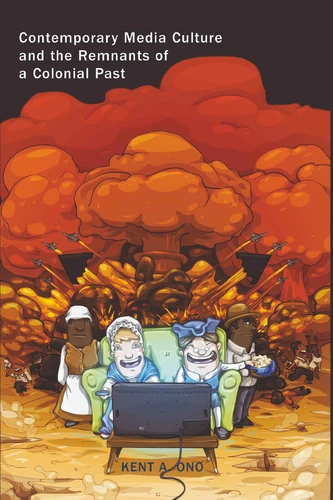
Contemporary Media Culture and the Remnants of a Colonial Past
Par :Formats :
- Paiement en ligne :
- Livraison à domicile ou en point Mondial Relay estimée à partir du 19 novembreCet article sera commandé chez un fournisseur et vous sera envoyé 127 jours après la date de votre commande.
- Retrait Click and Collect en magasin gratuit
- Livraison à domicile ou en point Mondial Relay estimée à partir du 19 novembre
- Réservation en ligne avec paiement en magasin :
- Indisponible pour réserver et payer en magasin
- Nombre de pages167
- ISBN978-0-8204-7939-2
- EAN9780820479392
- Date de parution01/09/2009
- CollectionCritical Intercultural Communi
- ÉditeurPeter Lang
Résumé
Contemporary Media Culture and the Remnants of a Colonial Past examines contemporary representations of colonialism, by developing a historically and culturally specific theory of neocolonialism in U.S. media culture. Noting how colonialism never officially ended in the United States, Kent A. Ono draws together race, gender, sexuality, and nation to examine neocolonialism in popular media narratives.
The book asks, "What are the lingering traces within contemporary culture that provide evidence not only of what colonialism was but also of what it continues to be today ? " Offering five case studies on Buffy the Vampire Slayer, the sale of the Seattle Mariners, Mighty Morphin Power Rangers, Pocahontas, and Star Trek : The Next Generation – and providing current media examples in the introduction and conclusion, the book documents the persistence of colonialism in media culture.
White vigilantism, prototypical colonial rescue plots, and cloaked and not-so-hidden anxieties about racial and national miscegenation all contribute towards a continuation of colonialism and a neocolonial mind-set. The book's critical examination from a historical and cultural perspective makes it possible to alter colonialism for future generations.
The book asks, "What are the lingering traces within contemporary culture that provide evidence not only of what colonialism was but also of what it continues to be today ? " Offering five case studies on Buffy the Vampire Slayer, the sale of the Seattle Mariners, Mighty Morphin Power Rangers, Pocahontas, and Star Trek : The Next Generation – and providing current media examples in the introduction and conclusion, the book documents the persistence of colonialism in media culture.
White vigilantism, prototypical colonial rescue plots, and cloaked and not-so-hidden anxieties about racial and national miscegenation all contribute towards a continuation of colonialism and a neocolonial mind-set. The book's critical examination from a historical and cultural perspective makes it possible to alter colonialism for future generations.