SOLDES
Jusqu'à -70% sur une sélection d'articles*

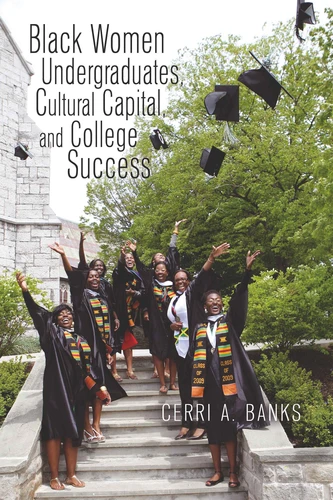
Black Women Undergraduates, Cultural Capital, and College Success
Par :Formats :
- Paiement en ligne :
- Livraison à domicile ou en point Mondial Relay estimée à partir du 19 novembreCet article sera commandé chez un fournisseur et vous sera envoyé 127 jours après la date de votre commande.
- Retrait Click and Collect en magasin gratuit
- Livraison à domicile ou en point Mondial Relay estimée à partir du 19 novembre
- Réservation en ligne avec paiement en magasin :
- Indisponible pour réserver et payer en magasin
- Nombre de pages192
- ISBN978-1-4331-0211-0
- EAN9781433102110
- Date de parution01/10/2009
- CollectionHigher Ed
- ÉditeurPeter Lang
Résumé
This book documents the academic and social success of Black women undergraduates as they negotiate dominant educational and social discourses about their schooling lives. Starting with the premise that Black women undergraduates are not a homogenous group and that they are being successful in college in greater numbers than Black men, this book examines the ways they navigate being traditionally underprepared academically for college, the discourse of "acting white", and oppressive classroom settings and practices.
This work expands the theoretical concept of cultural capital by identifying the abundant and varied forms of cultural capital that Black women undergraduates provide, develop, and utilize as they make their way through college. The discussion of their raced, classed, and gendered experiences challenges the academy to make use of this understanding in its work towards educational equity. This movement has wide-reaching implications for ethos, policy, and practice in higher education.
This work expands the theoretical concept of cultural capital by identifying the abundant and varied forms of cultural capital that Black women undergraduates provide, develop, and utilize as they make their way through college. The discussion of their raced, classed, and gendered experiences challenges the academy to make use of this understanding in its work towards educational equity. This movement has wide-reaching implications for ethos, policy, and practice in higher education.