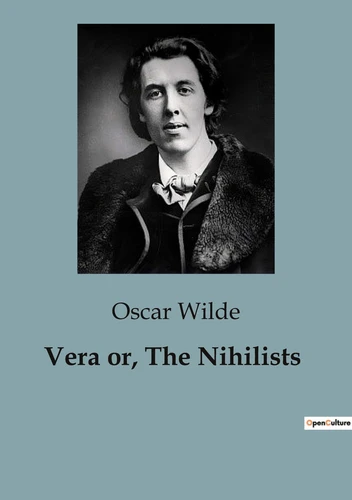
"Vera ; Or, The Nihilists" is a dramatic work by Oscar Wilde that explores themes of revolution, loyalty, and betrayal set against the backdrop of Tsarist Russia. The play opens in a Russian inn where Vera Sabouroff, the protagonist, learns of her brother Dmitri's arrest and impending exile to Siberia for his involvement with the Nihilists, a revolutionary group. Determined to avenge her brother and fight for the people's freedom, Vera becomes deeply involved in the revolutionary cause.
The narrative shifts to Moscow, where the Nihilists, including Vera, plot against the oppressive regime. The play delves into the internal conflicts within the group, highlighting the tension between the desire for violent revolution and the moral implications of such actions. The Czarevitch, the Tsar's son, is introduced as a character torn between his royal duties and his sympathy for the people's plight.
His secret involvement with the Nihilists adds complexity to the narrative, as he struggles with his identity and the expectations placed upon him. The Tsar, portrayed as paranoid and tyrannical, is determined to crush the revolutionaries, leading to a tense atmosphere of fear and suspicion. As the plot unfolds, Vera's transformation and resolve are tested, particularly when her loyalty to the cause is challenged by her feelings for Alexis, the Czarevitch.
The play culminates in a dramatic confrontation, exploring the personal sacrifices made in the pursuit of political ideals. Wilde's work is a poignant commentary on the nature of power, the cost of freedom, and the human capacity for both cruelty and compassion.
"Vera ; Or, The Nihilists" is a dramatic work by Oscar Wilde that explores themes of revolution, loyalty, and betrayal set against the backdrop of Tsarist Russia. The play opens in a Russian inn where Vera Sabouroff, the protagonist, learns of her brother Dmitri's arrest and impending exile to Siberia for his involvement with the Nihilists, a revolutionary group. Determined to avenge her brother and fight for the people's freedom, Vera becomes deeply involved in the revolutionary cause.
The narrative shifts to Moscow, where the Nihilists, including Vera, plot against the oppressive regime. The play delves into the internal conflicts within the group, highlighting the tension between the desire for violent revolution and the moral implications of such actions. The Czarevitch, the Tsar's son, is introduced as a character torn between his royal duties and his sympathy for the people's plight.
His secret involvement with the Nihilists adds complexity to the narrative, as he struggles with his identity and the expectations placed upon him. The Tsar, portrayed as paranoid and tyrannical, is determined to crush the revolutionaries, leading to a tense atmosphere of fear and suspicion. As the plot unfolds, Vera's transformation and resolve are tested, particularly when her loyalty to the cause is challenged by her feelings for Alexis, the Czarevitch.
The play culminates in a dramatic confrontation, exploring the personal sacrifices made in the pursuit of political ideals. Wilde's work is a poignant commentary on the nature of power, the cost of freedom, and the human capacity for both cruelty and compassion.