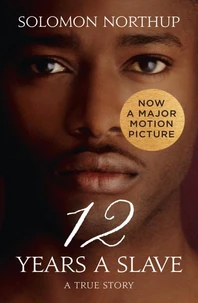
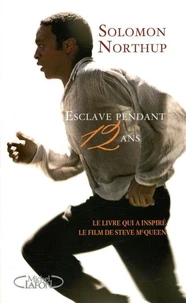
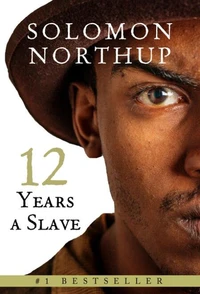
Solomon Northup, né en juillet 1808 à Minerva, dans le Comté d'Essex dans l'État de New York et mort à une date inconnue après 1857, est un mulâtre afro-américain né libre et enlevé puis réduit en esclavage entre 1841 et 1853. Devenu abolitionniste, il publie des mémoires, Douze ans d'esclavage, qui deviennent un best-seller et contribuent au débat sur l'abolition de l'esclavage. Devenu militant pour l'abolitionnisme, il disparait dans des circonstances inconnues quelques années après avoir retrouvé sa condition d'homme libre.
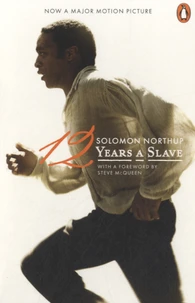
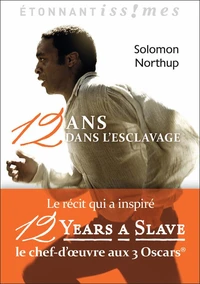
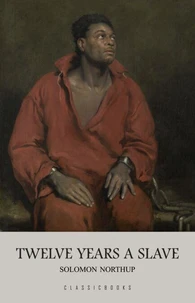
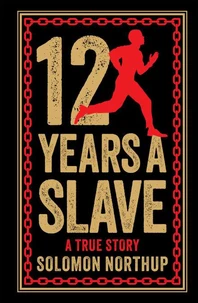
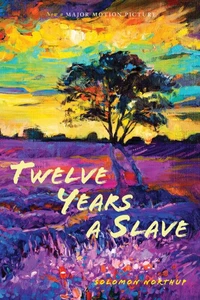
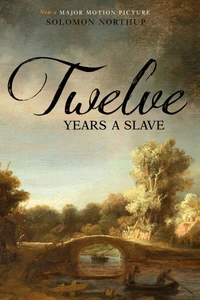
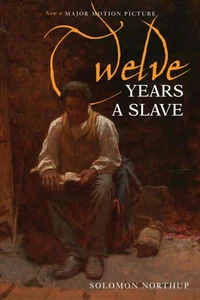
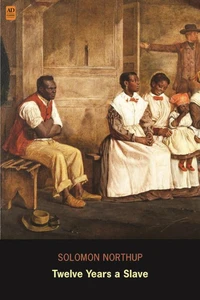
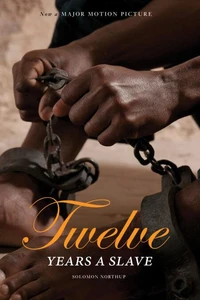
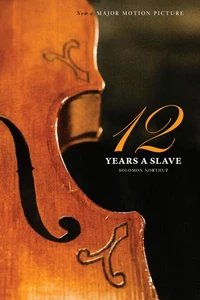
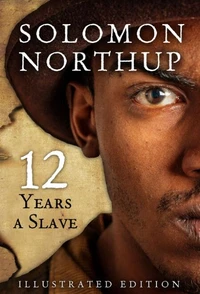
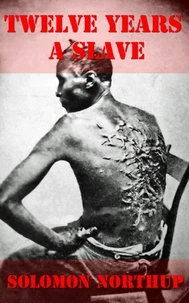
Twelve Years a Slave. A Harrowing Journey from Freedom to Slavery and Back
Par :Formats :
- Nombre de pages294
- PrésentationBroché
- Poids0.383 kg
- Dimensions14,8 cm × 21,0 cm × 1,6 cm
- ISBN979-10-418-0745-1
- EAN9791041807451
- Date de parution04/07/2023
- ÉditeurCulturea
Résumé
"Twelve Years a Slave" is the harrowing autobiographical account of Solomon Northup, a free African American man who was kidnapped and sold into slavery in the pre-Civil War United States. Born in New York, Northup was a skilled violinist and a family man, living a peaceful life with his wife and children. In 1841, he was lured to Washington, D. C. , under the pretense of a job offer by two men, Brown and Hamilton, who drugged and sold him into slavery.
Northup was transported to New Orleans and sold to a series of plantation owners, enduring the brutal realities of slave life for twelve years. Throughout his captivity, he witnessed and experienced the inhumanity of slavery, including severe beatings and the emotional torment of being separated from his family. Despite the oppressive conditions, Northup maintained hope for freedom. His chance came when he met a Canadian carpenter named Bass, who was sympathetic to his plight and helped him send letters to his family and friends in the North.
These letters eventually reached Henry B. Northup, a relative of Solomon's father's former master, who initiated legal proceedings that led to Solomon's release in 1853. Northup's narrative not only provides a detailed account of his personal suffering but also serves as a powerful indictment of the institution of slavery, highlighting the moral and ethical contradictions of a nation that proclaimed liberty while condoning human bondage.
Northup was transported to New Orleans and sold to a series of plantation owners, enduring the brutal realities of slave life for twelve years. Throughout his captivity, he witnessed and experienced the inhumanity of slavery, including severe beatings and the emotional torment of being separated from his family. Despite the oppressive conditions, Northup maintained hope for freedom. His chance came when he met a Canadian carpenter named Bass, who was sympathetic to his plight and helped him send letters to his family and friends in the North.
These letters eventually reached Henry B. Northup, a relative of Solomon's father's former master, who initiated legal proceedings that led to Solomon's release in 1853. Northup's narrative not only provides a detailed account of his personal suffering but also serves as a powerful indictment of the institution of slavery, highlighting the moral and ethical contradictions of a nation that proclaimed liberty while condoning human bondage.