Récits de voyages 17
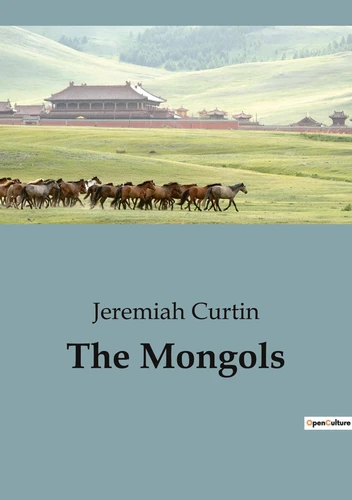
The Mongols. The Rise of Russian Statehood and the Mongol Influence
Par : Formats :
- Nombre de pages446
- PrésentationBroché
- Poids0.643 kg
- Dimensions14,8 cm × 21,0 cm × 3,1 cm
- ISBN979-10-419-1844-7
- EAN9791041918447
- Date de parution29/03/2023
- ÉditeurSHS Editions
Résumé
The excerpt from "The Mongols in Russia" by Jeremiah Curtin provides a detailed account of the early history of Russia, focusing on the establishment of Russian statehood and the influence of the Mongol Empire. The narrative begins with the arrival of Rurik, a Scandinavian chieftain, in 862, who was invited by the people of Novgorod to bring order to their land. Rurik's arrival marked the beginning of the Rurik dynasty, which played a pivotal role in the formation of the Russian state.
After Rurik's death, his relative Oleg took over and expanded the territory, eventually capturing Kief and establishing it as the capital. Oleg's successful campaign against the Byzantine Empire in 907 further solidified his power and prestige. The text also highlights the reign of Igor, Rurik's son, who faced challenges in maintaining control over the diverse tribes within his realm. His wife, Olga, is noted for her cunning and ruthless methods in avenging Igor's death at the hands of the Drevlians.
The narrative sets the stage for the Mongol invasion, which had a profound impact on Russia. The Mongols, under the leadership of Batu Khan, established their dominance over the region, retreating to the vast open lands of Eastern Europe and making Sarai their capital. This period marked a significant shift in Russian history, as the Mongol influence reshaped the political and cultural landscape of the region.
After Rurik's death, his relative Oleg took over and expanded the territory, eventually capturing Kief and establishing it as the capital. Oleg's successful campaign against the Byzantine Empire in 907 further solidified his power and prestige. The text also highlights the reign of Igor, Rurik's son, who faced challenges in maintaining control over the diverse tribes within his realm. His wife, Olga, is noted for her cunning and ruthless methods in avenging Igor's death at the hands of the Drevlians.
The narrative sets the stage for the Mongol invasion, which had a profound impact on Russia. The Mongols, under the leadership of Batu Khan, established their dominance over the region, retreating to the vast open lands of Eastern Europe and making Sarai their capital. This period marked a significant shift in Russian history, as the Mongol influence reshaped the political and cultural landscape of the region.