
Poems on Various Subjects, Religious and Moral
Par :Formats :
- Paiement en ligne :
- Livraison à domicile ou en point Mondial Relay estimée à partir du 16 septembreCet article sera commandé chez un fournisseur et vous sera envoyé 21 jours après la date de votre commande.
- Retrait Click and Collect en magasin gratuit
- Nombre de pages92
- PrésentationBroché
- Poids0.132 kg
- Dimensions14,8 cm × 21,0 cm × 0,5 cm
- ISBN979-10-418-0329-3
- EAN9791041803293
- Date de parution13/07/2023
- ÉditeurCulturea
Résumé
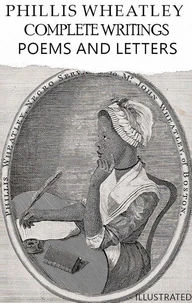
Poems on Various Subjects, Religious and Moral was the first book of poetry ever published by an African-American author. Phillis Wheatley's deep familiarity with Latin literature and Christianity, combined with her African ancestry, provided her with a unique and inimitable view of poetry. She was kidnapped and brought over to America on a ship called The Phillis after which she was named. Her interest in poetry and literature was recognized by the Wheatley family who, though keeping her enslaved, provided her with classic works of literature by authors such as Virgil, Homer, Terence, and Pope, all of whom had a significant influence on her work.
She received praise from many of her contemporaries including George Washington, John Hancock, and Voltaire. Shortly after publishing her collection of poetry she was emancipated by the Wheatley family. Even so, her life ended in poverty and obscurity. Though her influence on poetry and African-American literature is indisputable, more modern critics of her work point to the lack of censure of slavery and the absence of discussion about the lives of black people in the United States as an example of the Uncle Tom syndrome.
She received praise from many of her contemporaries including George Washington, John Hancock, and Voltaire. Shortly after publishing her collection of poetry she was emancipated by the Wheatley family. Even so, her life ended in poverty and obscurity. Though her influence on poetry and African-American literature is indisputable, more modern critics of her work point to the lack of censure of slavery and the absence of discussion about the lives of black people in the United States as an example of the Uncle Tom syndrome.
A propos de Phillis Wheatley



1,99 €
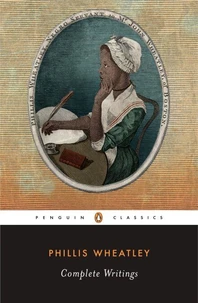
Complete Writings
E-book
14,91 €