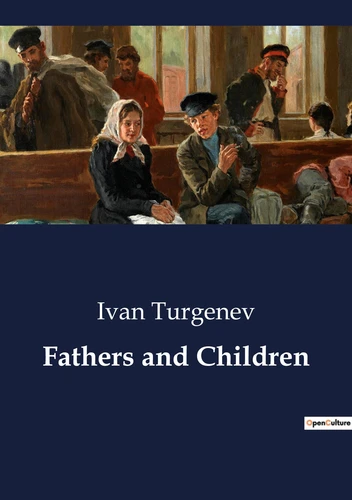
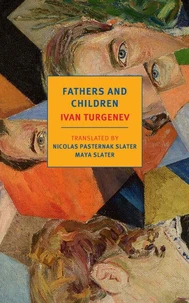
"Fathers and Children" by Ivan Turgenev is a seminal work that explores the generational divide and the clash of ideologies in 19th century Russia. The novel begins with the return of Arkady Kirsanov, a recent university graduate, to his family estate with his friend, Yevgeny Bazarov, a self-proclaimed nihilist. Arkady's father, Nikolai Petrovitch, is a kind-hearted landowner who is eager to reconnect with his son.
However, the presence of Bazarov, who dismisses traditional values and beliefs, creates tension within the household, particularly with Arkady's uncle, Pavel Petrovitch, a man of refined manners and conservative views. The narrative delves into the philosophical and social upheavals of the time, as Bazarov's innovative ideas challenge the established norms. His disdain for art, romanticism, and the aristocracy contrasts sharply with the older generation's adherence to these values.
The novel also touches on personal relationships, as Bazarov's interactions with women reveal his internal conflicts and vulnerabilities. As the story unfolds, the characters grapple with their identities and the changing world around them. Bazarov's eventual demise serves as a poignant commentary on the limitations of his ideology and the inevitable passage of time. Through its rich character development and exploration of complex themes, "Fathers and Children" offers a profound reflection on the nature of progress and the enduring struggle between old and new.
"Fathers and Children" by Ivan Turgenev is a seminal work that explores the generational divide and the clash of ideologies in 19th century Russia. The novel begins with the return of Arkady Kirsanov, a recent university graduate, to his family estate with his friend, Yevgeny Bazarov, a self-proclaimed nihilist. Arkady's father, Nikolai Petrovitch, is a kind-hearted landowner who is eager to reconnect with his son.
However, the presence of Bazarov, who dismisses traditional values and beliefs, creates tension within the household, particularly with Arkady's uncle, Pavel Petrovitch, a man of refined manners and conservative views. The narrative delves into the philosophical and social upheavals of the time, as Bazarov's innovative ideas challenge the established norms. His disdain for art, romanticism, and the aristocracy contrasts sharply with the older generation's adherence to these values.
The novel also touches on personal relationships, as Bazarov's interactions with women reveal his internal conflicts and vulnerabilities. As the story unfolds, the characters grapple with their identities and the changing world around them. Bazarov's eventual demise serves as a poignant commentary on the limitations of his ideology and the inevitable passage of time. Through its rich character development and exploration of complex themes, "Fathers and Children" offers a profound reflection on the nature of progress and the enduring struggle between old and new.