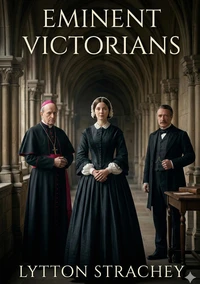
Eminent Victorians. The Complexities of Victorian Ecclesiastical Life
Par :Formats :
- Paiement en ligne :
- Livraison à domicile ou en point Mondial Relay estimée à partir du 3 septembreCet article sera commandé chez un fournisseur et vous sera envoyé 21 jours après la date de votre commande.
- Retrait Click and Collect en magasin gratuit
- Réservation en ligne avec paiement en magasin :
- Indisponible pour réserver et payer en magasin
- Nombre de pages360
- PrésentationBroché
- Poids0.466 kg
- Dimensions14,8 cm × 21,0 cm × 2,0 cm
- ISBN979-10-418-0122-0
- EAN9791041801220
- Date de parution14/05/2023
- ÉditeurCulturea
Résumé
"Eminent Victorians" by Lytton Strachey delves into the intricate lives of pivotal figures from the Victorian era, focusing on their personal and professional complexities. The text begins with a preface that outlines Strachey's approach to history, emphasizing the importance of selective ignorance and the art of biography. Strachey argues that the Victorian Age is too vast to be comprehensively documented, and instead, he chooses to illuminate specific individuals to provide insights into the era.
The excerpt primarily focuses on Cardinal Manning, a prominent ecclesiastic figure whose life reflects the spirit and challenges of his time. Manning's journey from a promising political career to a significant religious role is marked by personal loss, spiritual awakening, and the influence of the Oxford Movement. The text explores Manning's internal struggles and external achievements, highlighting his adaptability and the persistent strength of his character.
Strachey also touches upon the broader religious and social movements of the time, such as the Oxford Movement, which sought to revive certain Catholic traditions within the Church of England. The narrative captures the tension between tradition and progress, faith and reason, and the personal and the political, offering a nuanced portrait of a man and an era in transformation.
The excerpt primarily focuses on Cardinal Manning, a prominent ecclesiastic figure whose life reflects the spirit and challenges of his time. Manning's journey from a promising political career to a significant religious role is marked by personal loss, spiritual awakening, and the influence of the Oxford Movement. The text explores Manning's internal struggles and external achievements, highlighting his adaptability and the persistent strength of his character.
Strachey also touches upon the broader religious and social movements of the time, such as the Oxford Movement, which sought to revive certain Catholic traditions within the Church of England. The narrative captures the tension between tradition and progress, faith and reason, and the personal and the political, offering a nuanced portrait of a man and an era in transformation.
A propos de Lytton Strachey
Victoriens éminents
E-book
6,99 €
9,99 €
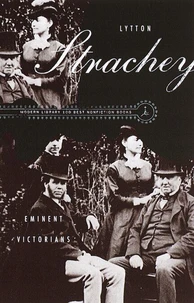
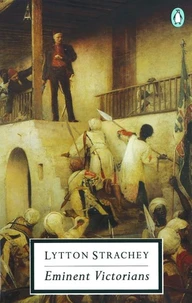
Eminent Victorians
E-book
9,99 €
Cinq excentriques anglais
Grand Format
10,55 €
La douceur de vivre
Grand Format
10,85 €
Scènes de conversation
Grand Format
10,10 €