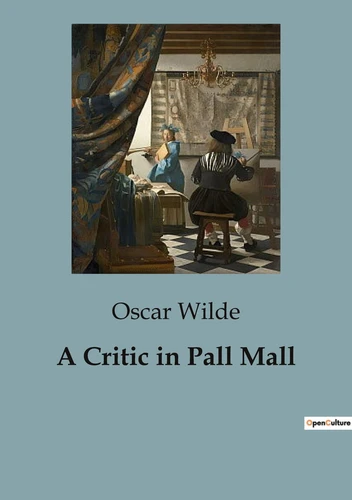
"A Critic in Pall Mall" by Oscar Wilde is a collection of essays and reviews that delve into various aspects of art, literature, and society. Wilde, known for his wit and keen observations, offers a series of critiques that reflect his aesthetic philosophy and his views on the cultural landscape of his time. The collection includes essays on a wide range of topics, from the significance of scenery in Shakespearean plays to the role of folk songs in preserving cultural heritage.
Wilde's essay on "The Tomb of Keats" is a poignant reflection on the life and legacy of the poet John Keats, highlighting Wilde's admiration for Keats's contribution to English literature. In "Dinners and Dishes, " Wilde humorously critiques the culinary habits of the British, advocating for a more refined appreciation of food as an art form. His essay "Shakespeare on Scenery" argues for the importance of visual elements in theatrical productions, suggesting that they enhance the audience's experience and understanding of the play.
Wilde also addresses the role of marriage in society, offering a satirical yet insightful perspective on the institution in "A Handbook to Marriage". Throughout the collection, Wilde's essays are characterized by their eloquent prose, sharp wit, and a deep appreciation for beauty and art. His critiques not only reflect his personal tastes and beliefs but also offer a broader commentary on the cultural and social issues of his era.
"A Critic in Pall Mall" by Oscar Wilde is a collection of essays and reviews that delve into various aspects of art, literature, and society. Wilde, known for his wit and keen observations, offers a series of critiques that reflect his aesthetic philosophy and his views on the cultural landscape of his time. The collection includes essays on a wide range of topics, from the significance of scenery in Shakespearean plays to the role of folk songs in preserving cultural heritage.
Wilde's essay on "The Tomb of Keats" is a poignant reflection on the life and legacy of the poet John Keats, highlighting Wilde's admiration for Keats's contribution to English literature. In "Dinners and Dishes, " Wilde humorously critiques the culinary habits of the British, advocating for a more refined appreciation of food as an art form. His essay "Shakespeare on Scenery" argues for the importance of visual elements in theatrical productions, suggesting that they enhance the audience's experience and understanding of the play.
Wilde also addresses the role of marriage in society, offering a satirical yet insightful perspective on the institution in "A Handbook to Marriage". Throughout the collection, Wilde's essays are characterized by their eloquent prose, sharp wit, and a deep appreciation for beauty and art. His critiques not only reflect his personal tastes and beliefs but also offer a broader commentary on the cultural and social issues of his era.