SOLDES
Jusqu'à -70% sur une sélection d'articles*

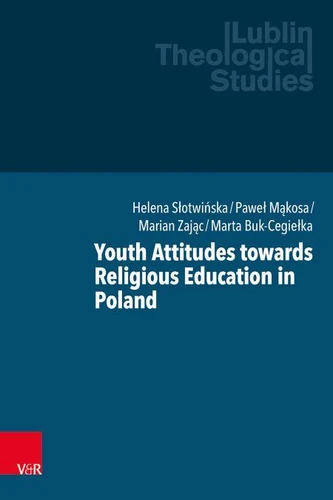
Youth Attitudes towards Religious Education in Poland
Par : , , , ,Formats :
Disponible dans votre compte client Decitre ou Furet du Nord dès validation de votre commande. Le format PDF est :
- Compatible avec une lecture sur My Vivlio (smartphone, tablette, ordinateur)
- Compatible avec une lecture sur liseuses Vivlio
- Pour les liseuses autres que Vivlio, vous devez utiliser le logiciel Adobe Digital Edition. Non compatible avec la lecture sur les liseuses Kindle, Remarkable et Sony
 , qui est-ce ?
Notre partenaire de plateforme de lecture numérique où vous retrouverez l'ensemble de vos ebooks gratuitement
Pour en savoir plus sur nos ebooks, consultez notre aide en ligne ici
C'est si simple ! Lisez votre ebook avec l'app Vivlio sur votre tablette, mobile ou ordinateur :

- Nombre de pages223
- FormatPDF
- ISBN978-3-647-50242-7
- EAN9783647502427
- Date de parution08/12/2025
- Protection num.pas de protection
- Taille26 Mo
- Infos supplémentairespdf
- ÉditeurVandenhoeck & Ruprecht
Résumé
This monograph places young people at its core, treating them as the focus of research conducted by scholars in sociology, theology, pedagogy and psychology. These inquiries address religious education conceived as the sum of interventions aimed at cultivating an individual's life skills within a religious framework. Religious education is orientated towards the development of personal awareness and competencies, as well as one's engagement with the wider world.
Its aim is to enable young people to interpret human existence independently and rationally, and to support their understanding of themselves and the world in light of their professed faith. A thorough and rigorous study of the current state of youth religious education in Poland may facilitate questions for future discussion concerning the objectives, content and forms of religious instruction. The research findings elucidate the reasons underpinning both participation in and withdrawal from religious education classes, and they offer reflections and recommendations for work in the field of youth religious education and for enhancing the competencies of religious education teachers.
Its aim is to enable young people to interpret human existence independently and rationally, and to support their understanding of themselves and the world in light of their professed faith. A thorough and rigorous study of the current state of youth religious education in Poland may facilitate questions for future discussion concerning the objectives, content and forms of religious instruction. The research findings elucidate the reasons underpinning both participation in and withdrawal from religious education classes, and they offer reflections and recommendations for work in the field of youth religious education and for enhancing the competencies of religious education teachers.