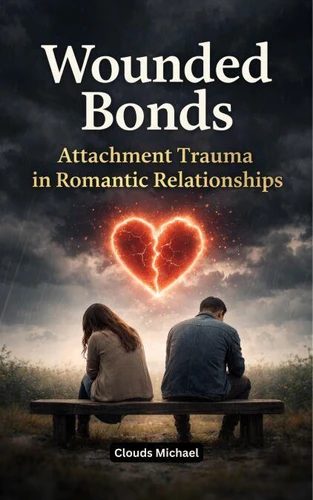
WOUNDED BONDS: Attachment Trauma in Romantic RelationshipsUnderstanding Why Love Hurts - And How to HealBy Clouds MichaelYou don't have a love problem. You have a wound that keeps showing up in every relationship you enter. Wounded Bonds goes beyond surface-level attachment style content. This is a deeper, evidence-based exploration of attachment trauma in romantic relationships, written for readers who want clarity, not oversimplification.
The Science of Attachment Trauma in AdultsDrawing on developmental psychology, neuroscience, and clinical therapy, this book explains how early relational experiences shape the brain and influence adult relationships. It explores the amygdala's role in threat detection, how the stress response system becomes dysregulated, and why attachment trauma in adults is biological as well as psychological-embedded in the nervous system, stress hormones, and behavioral patterns.
The Signs of Attachment Trauma in Romantic RelationshipsAttachment wounds are often subtle. The signs of attachment trauma in romantic relationships may include difficulty trusting safe partners, emotional numbness during closeness, overreactions to minor triggers, fear of abandonment, or the urge to leave before being left. Many experience the paradox of craving love while fearing it. This book helps you clearly identify these patterns in yourself and others.
Romantic Relationship Attachment Styles - The Full SpectrumWounded Bonds provides detailed, research-backed insights into all four romantic relationship attachment styles: secure, anxious, avoidant, and fearful-avoidant. It explains what each style feels like internally, what triggers defensive behaviors, and what each style needs to feel safe. Understanding these styles is not about labeling-it's about recognizing the underlying patterns driving relationship dynamics.
Trauma in Romantic Relationships - How It ManifestsWhether rooted in childhood or past adult relationships, trauma in romantic relationships follows recognizable cycles. These include the pursuer-distancer dynamic, emotional regulation struggles, projection of past wounds onto present partners, intimacy avoidance, and trauma bonding-the powerful attachment formed through cycles of harm and repair.
Attachment Trauma in MarriageAttachment trauma often intensifies in long-term partnerships. The book explores how attachment trauma in marriage creates recurring conflict patterns, emotional disconnection, and unresolved cycles. It also presents evidence-based paths to healing, including repair, earned security, and attachment-focused couples therapy. Attachment Trauma in Teens - The Critical WindowAdolescence is a key period for attachment development.
The book examines attachment trauma in teens, showing how relationships during this stage can reinforce or heal early wounds. This insight is essential for parents, educators, and young adults seeking to understand evolving relationship patterns. The Intergenerational ThreadAttachment trauma often passes from one generation to the next-not through genetics, but through repeated relational patterns.
Research shows that unresolved trauma in parents strongly predicts insecure attachment in children. Wounded Bonds explains how this cycle forms and, importantly, how it can be broken through self-awareness, therapy, and the development of earned security.
WOUNDED BONDS: Attachment Trauma in Romantic RelationshipsUnderstanding Why Love Hurts - And How to HealBy Clouds MichaelYou don't have a love problem. You have a wound that keeps showing up in every relationship you enter. Wounded Bonds goes beyond surface-level attachment style content. This is a deeper, evidence-based exploration of attachment trauma in romantic relationships, written for readers who want clarity, not oversimplification.
The Science of Attachment Trauma in AdultsDrawing on developmental psychology, neuroscience, and clinical therapy, this book explains how early relational experiences shape the brain and influence adult relationships. It explores the amygdala's role in threat detection, how the stress response system becomes dysregulated, and why attachment trauma in adults is biological as well as psychological-embedded in the nervous system, stress hormones, and behavioral patterns.
The Signs of Attachment Trauma in Romantic RelationshipsAttachment wounds are often subtle. The signs of attachment trauma in romantic relationships may include difficulty trusting safe partners, emotional numbness during closeness, overreactions to minor triggers, fear of abandonment, or the urge to leave before being left. Many experience the paradox of craving love while fearing it. This book helps you clearly identify these patterns in yourself and others.
Romantic Relationship Attachment Styles - The Full SpectrumWounded Bonds provides detailed, research-backed insights into all four romantic relationship attachment styles: secure, anxious, avoidant, and fearful-avoidant. It explains what each style feels like internally, what triggers defensive behaviors, and what each style needs to feel safe. Understanding these styles is not about labeling-it's about recognizing the underlying patterns driving relationship dynamics.
Trauma in Romantic Relationships - How It ManifestsWhether rooted in childhood or past adult relationships, trauma in romantic relationships follows recognizable cycles. These include the pursuer-distancer dynamic, emotional regulation struggles, projection of past wounds onto present partners, intimacy avoidance, and trauma bonding-the powerful attachment formed through cycles of harm and repair.
Attachment Trauma in MarriageAttachment trauma often intensifies in long-term partnerships. The book explores how attachment trauma in marriage creates recurring conflict patterns, emotional disconnection, and unresolved cycles. It also presents evidence-based paths to healing, including repair, earned security, and attachment-focused couples therapy. Attachment Trauma in Teens - The Critical WindowAdolescence is a key period for attachment development.
The book examines attachment trauma in teens, showing how relationships during this stage can reinforce or heal early wounds. This insight is essential for parents, educators, and young adults seeking to understand evolving relationship patterns. The Intergenerational ThreadAttachment trauma often passes from one generation to the next-not through genetics, but through repeated relational patterns.
Research shows that unresolved trauma in parents strongly predicts insecure attachment in children. Wounded Bonds explains how this cycle forms and, importantly, how it can be broken through self-awareness, therapy, and the development of earned security.


 , qui est-ce ?
