SOLDES
Jusqu'à -70% sur une sélection d'articles*

Nouveauté
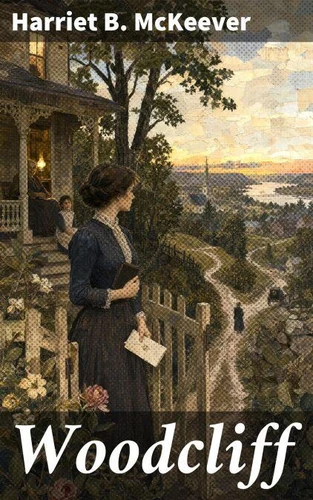
Woodcliff
Par :Formats :
Disponible dans votre compte client Decitre ou Furet du Nord dès validation de votre commande. Le format ePub est :
- Compatible avec une lecture sur My Vivlio (smartphone, tablette, ordinateur)
- Compatible avec une lecture sur liseuses Vivlio
- Pour les liseuses autres que Vivlio, vous devez utiliser le logiciel Adobe Digital Edition. Non compatible avec la lecture sur les liseuses Kindle, Remarkable et Sony
 , qui est-ce ?
Notre partenaire de plateforme de lecture numérique où vous retrouverez l'ensemble de vos ebooks gratuitement
Pour en savoir plus sur nos ebooks, consultez notre aide en ligne ici
C'est si simple ! Lisez votre ebook avec l'app Vivlio sur votre tablette, mobile ou ordinateur :

- Nombre de pages342
- FormatePub
- ISBN859-65--4790933-0
- EAN8596547909330
- Date de parution29/06/2026
- Protection num.Digital Watermarking
- Taille2 Mo
- Infos supplémentairesepub
- ÉditeurGOOD PRESS
Résumé
Harriet B. McKeever's Woodcliff appears to belong to the tradition of morally inflected domestic and regional fiction, where place, family life, and ethical testing shape the narrative's emotional force. The title suggests an estate or locale central to the book's imaginative world, and McKeever's probable emphasis on character, social relations, and inward development aligns her with late nineteenth- and early twentieth-century women's writing.
Such fiction often balances sentiment with observation, using accessible prose to examine duty, affection, and the formative pressures of community. Woodcliff may thus be read as both a story of human attachment and a cultural artifact of its literary moment. McKeever was known as an American writer associated with wholesome, instructive, and often religiously tinged literature for young readers and families.
Her broader body of work reflects an investment in moral education, domestic virtues, and narratives that cultivate sympathy and perseverance. These commitments likely informed Woodcliff, shaping it into a work attentive not only to plot but also to the improvement of feeling and judgment. Her background as a writer in this didactic-popular tradition helps explain the book's probable fusion of entertainment and ethical purpose.
Recommended to readers interested in overlooked American women writers, Woodcliff offers value as both literature and historical witness. It will especially reward those drawn to domestic fiction, moral realism, and the social textures of an earlier reading culture.
Such fiction often balances sentiment with observation, using accessible prose to examine duty, affection, and the formative pressures of community. Woodcliff may thus be read as both a story of human attachment and a cultural artifact of its literary moment. McKeever was known as an American writer associated with wholesome, instructive, and often religiously tinged literature for young readers and families.
Her broader body of work reflects an investment in moral education, domestic virtues, and narratives that cultivate sympathy and perseverance. These commitments likely informed Woodcliff, shaping it into a work attentive not only to plot but also to the improvement of feeling and judgment. Her background as a writer in this didactic-popular tradition helps explain the book's probable fusion of entertainment and ethical purpose.
Recommended to readers interested in overlooked American women writers, Woodcliff offers value as both literature and historical witness. It will especially reward those drawn to domestic fiction, moral realism, and the social textures of an earlier reading culture.