SOLDES
Jusqu'à -70% sur une sélection d'articles*

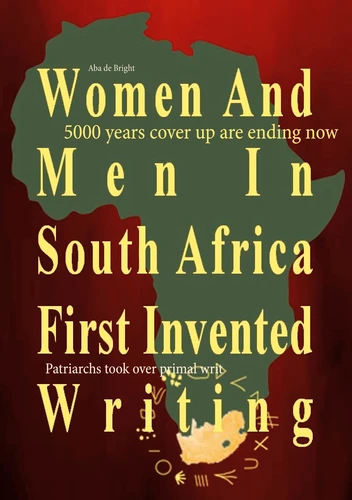
Women And Men In South Africa First Invented Writing
Par :Formats :
Disponible dans votre compte client Decitre ou Furet du Nord dès validation de votre commande. Le format ePub est :
- Compatible avec une lecture sur My Vivlio (smartphone, tablette, ordinateur)
- Compatible avec une lecture sur liseuses Vivlio
- Pour les liseuses autres que Vivlio, vous devez utiliser le logiciel Adobe Digital Edition. Non compatible avec la lecture sur les liseuses Kindle, Remarkable et Sony
 , qui est-ce ?
Notre partenaire de plateforme de lecture numérique où vous retrouverez l'ensemble de vos ebooks gratuitement
Pour en savoir plus sur nos ebooks, consultez notre aide en ligne ici
C'est si simple ! Lisez votre ebook avec l'app Vivlio sur votre tablette, mobile ou ordinateur :

- Nombre de pages300
- FormatePub
- ISBN978-3-7534-3232-8
- EAN9783753432328
- Date de parution18/03/2021
- Protection num.Digital Watermarking
- Taille8 Mo
- Infos supplémentairesepub
- ÉditeurBooks on Demand
Résumé
Without darker skin, humanity would have died out already 2.1 million years ago. And who would have guessed that Homo erectus had the ingenious skill to invent language and even the first abstract sign. Skills that reflect his incredible will to survive, which our African ancestresses and ancestors inherited from him. Because when the most devastating natural disaster in history veiled the sky red, they were on the verge of extinction.
But instead of giving up, they were the firsts on earth to invent the writing. Aba de Bright, using new archaeological facts, traces the stony path our ancestresses and ancestors had to walk. Catches the unique moment of their greatest invention. People who, despite all adversities, got patriarchs to take over most letters of their alphabet. At last, the role of women in the invention of the writing is also becoming visible. All parts of this non-fiction novel are a passionate call against misogyny, aversion to strangers and racism.
But instead of giving up, they were the firsts on earth to invent the writing. Aba de Bright, using new archaeological facts, traces the stony path our ancestresses and ancestors had to walk. Catches the unique moment of their greatest invention. People who, despite all adversities, got patriarchs to take over most letters of their alphabet. At last, the role of women in the invention of the writing is also becoming visible. All parts of this non-fiction novel are a passionate call against misogyny, aversion to strangers and racism.