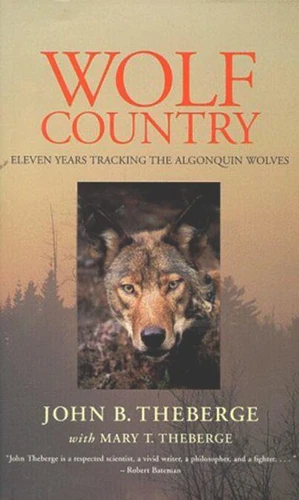
Wolf Country. Eleven Years Tracking the Algonquin Wolves
Par : ,Formats :
Disponible dans votre compte client Decitre ou Furet du Nord dès validation de votre commande. Le format ePub protégé est :
- Compatible avec une lecture sur My Vivlio (smartphone, tablette, ordinateur)
- Compatible avec une lecture sur liseuses Vivlio
- Pour les liseuses autres que Vivlio, vous devez utiliser le logiciel Adobe Digital Edition. Non compatible avec la lecture sur les liseuses Kindle, Remarkable et Sony
- Non compatible avec un achat hors France métropolitaine
 , qui est-ce ?
Notre partenaire de plateforme de lecture numérique où vous retrouverez l'ensemble de vos ebooks gratuitement
Pour en savoir plus sur nos ebooks, consultez notre aide en ligne ici
C'est si simple ! Lisez votre ebook avec l'app Vivlio sur votre tablette, mobile ou ordinateur :

- Nombre de pages320
- FormatePub
- ISBN978-1-55199-485-7
- EAN9781551994857
- Date de parution01/10/2013
- Protection num.Adobe DRM
- Taille9 Mo
- Infos supplémentairesepub
- ÉditeurMcClelland & Stewart
Résumé
Wolves arouse a passion in people. Some are fascinated by them; others hate them. Time and again, John and Mary Theberge have been confronted by angry hunters and farmers who repeat the same refrain, "What good is a wolf anyway?" In Wolf Country, John Theberge provides a gentle answer to that harsh question by describing the lives of the Algonquin wolves that he and Mary came to know during their eleven years of tracking them.
In telling their stories, he also tells something about the questions he set out to answer: whether wolf packs aggressively defend their territories; whether wolves kill more of their prey than the prey population can sustain; and whether pack behavior supports the idea of the survival of the best-fit group. This is a fascinating and inspiring story told by a man for whom the appreciation of science and life are inseparable.
In telling their stories, he also tells something about the questions he set out to answer: whether wolf packs aggressively defend their territories; whether wolves kill more of their prey than the prey population can sustain; and whether pack behavior supports the idea of the survival of the best-fit group. This is a fascinating and inspiring story told by a man for whom the appreciation of science and life are inseparable.