SOLDES
Jusqu'à -70% sur une sélection d'articles*

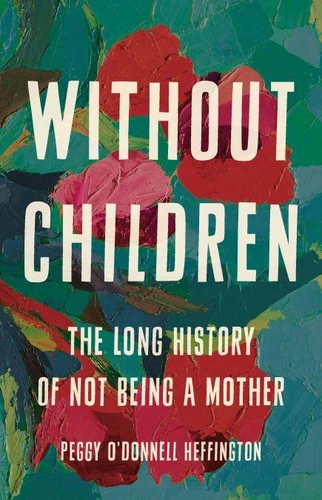
Without Children. The Long History of Not Being a Mother
Par :Formats :
Disponible dans votre compte client Decitre ou Furet du Nord dès validation de votre commande. Le format ePub protégé est :
- Compatible avec une lecture sur My Vivlio (smartphone, tablette, ordinateur)
- Compatible avec une lecture sur liseuses Vivlio
- Pour les liseuses autres que Vivlio, vous devez utiliser le logiciel Adobe Digital Edition. Non compatible avec la lecture sur les liseuses Kindle, Remarkable et Sony
- Non compatible avec un achat hors France métropolitaine
 , qui est-ce ?
Notre partenaire de plateforme de lecture numérique où vous retrouverez l'ensemble de vos ebooks gratuitement
Pour en savoir plus sur nos ebooks, consultez notre aide en ligne ici
C'est si simple ! Lisez votre ebook avec l'app Vivlio sur votre tablette, mobile ou ordinateur :

- Nombre de pages256
- FormatePub
- ISBN978-1-5416-7556-8
- EAN9781541675568
- Date de parution17/04/2023
- Protection num.Adobe DRM
- Infos supplémentairesepub
- ÉditeurSeal Press
Résumé
A historian explores the complicated relationship between womanhood and motherhood in this "timely, refreshingly open-hearted study of the choices women make and the cards they're dealt" (Ada Calhoun, author of Why We Can't Sleep). In an era of falling births, it's often said that millennials invented the idea of not having kids. But history is full of women without children: some who chose childless lives, others who wanted children but never had them, and still others-the vast majority, then and now-who fell somewhere in between. Modern women considering how and if children fit into their lives are products of their political, ecological, and cultural moment.
But history also tells them that they are not alone. ? Drawing on deep research and her own experience as a woman without children, historian Peggy O'Donnell Heffington shows that many of the reasons women are not having children today are ones they share with women in the past: a lack of support, their jobs or finances, environmental concerns, infertility, and the desire to live different kinds of lives.
Understanding this history-how normal it has always been to not have children, and how hard society has worked to make it seem abnormal-is key, she writes, to rebuilding kinship between mothers and non-mothers, and to building a better world for us all.
But history also tells them that they are not alone. ? Drawing on deep research and her own experience as a woman without children, historian Peggy O'Donnell Heffington shows that many of the reasons women are not having children today are ones they share with women in the past: a lack of support, their jobs or finances, environmental concerns, infertility, and the desire to live different kinds of lives.
Understanding this history-how normal it has always been to not have children, and how hard society has worked to make it seem abnormal-is key, she writes, to rebuilding kinship between mothers and non-mothers, and to building a better world for us all.