
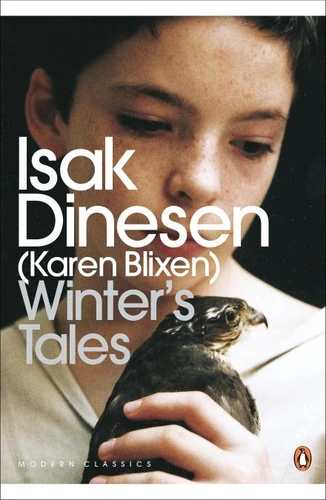
Isak Dinesen was the pen-name of Karen Blixen, who was born in Rungsted, Denmark in 1885. After studying art at Copenhagen, Paris and Rome, she married her cousin, Baron Bror Blixen-Finecke, in 1914. Together they went to Kenya to manage a coffee plantation. After their divorce in 1921, she continued to run the plantation until a collapse in the coffee market forced her back to Denmark in 1931.
Winter's Tales
Par :Formats :
Disponible dans votre compte client Decitre ou Furet du Nord dès validation de votre commande. Le format ePub protégé est :
- Compatible avec une lecture sur My Vivlio (smartphone, tablette, ordinateur)
- Compatible avec une lecture sur liseuses Vivlio
- Pour les liseuses autres que Vivlio, vous devez utiliser le logiciel Adobe Digital Edition. Non compatible avec la lecture sur les liseuses Kindle, Remarkable et Sony
- Non compatible avec un achat hors France métropolitaine
 , qui est-ce ?
Notre partenaire de plateforme de lecture numérique où vous retrouverez l'ensemble de vos ebooks gratuitement
Pour en savoir plus sur nos ebooks, consultez notre aide en ligne ici
C'est si simple ! Lisez votre ebook avec l'app Vivlio sur votre tablette, mobile ou ordinateur :

- Nombre de pages224
- FormatePub
- ISBN0-14-196148-1
- EAN9780141961484
- Date de parution27/09/2001
- Protection num.Adobe DRM
- Infos supplémentairesepub
- ÉditeurPENGUIN
Résumé
If one theme unifies the 11 tales collected here, it is that of longing. Written after her return from Kenya and during the dark days of the Nazi occupation, they derive their themes and locales from Isak Dinesen's childhood in Denmark. Isak Dinesen was the pen-name of Karen Blixen, who was born in Rungsted, Denmark in 1885. After studying art at Copenhagen, Paris and Rome, she married her cousin, Baron Bror Blixen-Finecke, in 1914.
Together they went to Kenya to manage a coffee plantation. After their divorce in 1921, she continued to run the plantation until a collapse in the coffee market forced her back to Denmark in 1931.
Together they went to Kenya to manage a coffee plantation. After their divorce in 1921, she continued to run the plantation until a collapse in the coffee market forced her back to Denmark in 1931.
A propos de Isak Dinesen
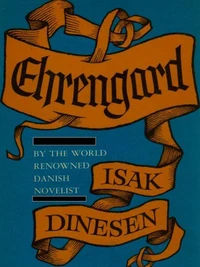
Ehrengard
E-book
0,99 €

Babette's Feast
E-book
8,99 €
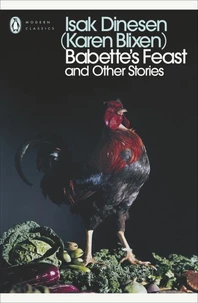
8,99 €
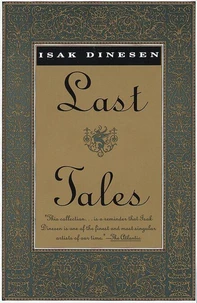
Last Tales
E-book
9,17 €
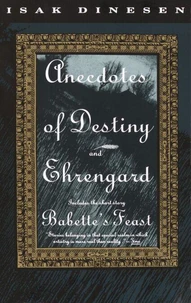
14,91 €
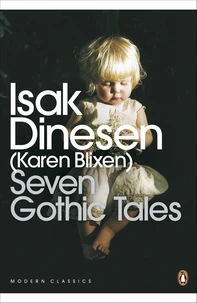
Seven Gothic Tales
E-book
8,99 €

The Angelic Avengers
E-book
8,99 €

25,50 €
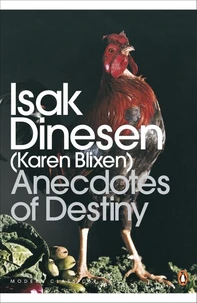
Anecdotes of Destiny
E-book
8,99 €
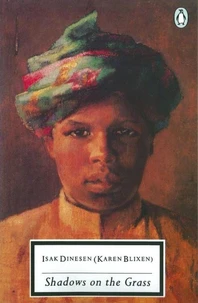
Shadows on the Grass
E-book
9,49 €
16,40 €