SOLDES
Jusqu'à -70% sur une sélection d'articles*

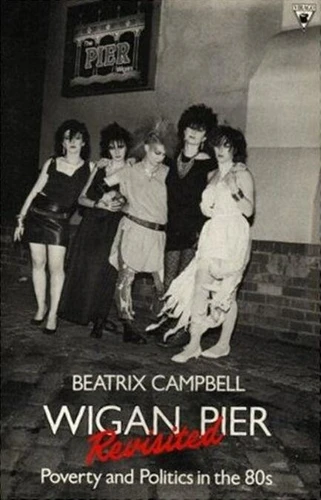
Wigan Pier Revisited. Poverty and Politics in the 80s
Par :Formats :
Disponible dans votre compte client Decitre ou Furet du Nord dès validation de votre commande. Le format ePub protégé est :
- Compatible avec une lecture sur My Vivlio (smartphone, tablette, ordinateur)
- Compatible avec une lecture sur liseuses Vivlio
- Pour les liseuses autres que Vivlio, vous devez utiliser le logiciel Adobe Digital Edition. Non compatible avec la lecture sur les liseuses Kindle, Remarkable et Sony
- Non compatible avec un achat hors France métropolitaine
 , qui est-ce ?
Notre partenaire de plateforme de lecture numérique où vous retrouverez l'ensemble de vos ebooks gratuitement
Pour en savoir plus sur nos ebooks, consultez notre aide en ligne ici
C'est si simple ! Lisez votre ebook avec l'app Vivlio sur votre tablette, mobile ou ordinateur :

- Nombre de pages324
- FormatePub
- ISBN978-0-349-00417-4
- EAN9780349004174
- Date de parution19/06/2013
- Protection num.Adobe DRM
- Infos supplémentairesepub
- ÉditeurVirago
Résumé
A brilliant exposé of poverty and politics in Britain. In 1937 George Orwell published The Road to Wigan Pier, an account of his famous 'urban ride' among the people and places of the Great Depression. Fifty years later we lived through a second Great Depression, and this time the journey north was made by a woman - like Orwell a journalist and a socialist, but, unlike him, working class and a feminist.
Wigan Pier Revisited is a devastating record of what Beatrix Campbell saw and heard in towns and cities ravaged by poverty and unemployment. She talked to young mothers on the dole, to miners and their families, to school leavers, battered wives, factory workers, redundant workers; discovered what work, home, family, politics and dignity meant for working-class people. Out of this came her passionate plea for a genuine socialism, one informed by feminism, drawing its strength from the grass roots and responding to people's real needs.
Wigan Pier Revisited is a devastating record of what Beatrix Campbell saw and heard in towns and cities ravaged by poverty and unemployment. She talked to young mothers on the dole, to miners and their families, to school leavers, battered wives, factory workers, redundant workers; discovered what work, home, family, politics and dignity meant for working-class people. Out of this came her passionate plea for a genuine socialism, one informed by feminism, drawing its strength from the grass roots and responding to people's real needs.