SOLDES
Jusqu'à -70% sur une sélection d'articles*

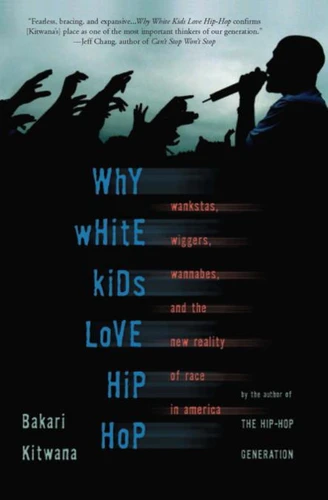
Why White Kids Love Hip Hop. Wankstas, Wiggers, Wannabes, and the New Reality of Race in America
Par :Formats :
Disponible dans votre compte client Decitre ou Furet du Nord dès validation de votre commande. Le format ePub protégé est :
- Compatible avec une lecture sur My Vivlio (smartphone, tablette, ordinateur)
- Compatible avec une lecture sur liseuses Vivlio
- Pour les liseuses autres que Vivlio, vous devez utiliser le logiciel Adobe Digital Edition. Non compatible avec la lecture sur les liseuses Kindle, Remarkable et Sony
- Non compatible avec un achat hors France métropolitaine
 , qui est-ce ?
Notre partenaire de plateforme de lecture numérique où vous retrouverez l'ensemble de vos ebooks gratuitement
Pour en savoir plus sur nos ebooks, consultez notre aide en ligne ici
C'est si simple ! Lisez votre ebook avec l'app Vivlio sur votre tablette, mobile ou ordinateur :

- Nombre de pages416
- FormatePub
- ISBN0-7867-2245-2
- EAN9780786722457
- Date de parution29/05/2006
- Protection num.Adobe DRM
- Infos supplémentairesepub
- ÉditeurBasic Books
Résumé
Our national conversation about race is ludicrously out-of-date. Hip-hop is the key to understanding how things are changing. In a provocative book that will appeal to hip-hoppers both black and white and their parents, Bakari Kitwana deftly teases apart the culture of hip-hop to illuminate how race is being lived by young Americans. This topic is ripe, but untried, and Kitwana poses and answers a plethora of questions: Does hip-hop belong to black kids? What in hip-hop appeals to white youth? Is hip-hop different from what rhythm, blues, jazz, and even rock 'n' roll meant to previous generations? How have mass media and consumer culture made hip-hop a unique phenomenon? What does class have to do with it? Are white kids really hip-hop's primary listening audience? How do young Americans think about race, and how has hip-hop influenced their perspective? Are young Americans achieving Martin Luther King, Jr.'s dream through hip-hop? Kitwana addresses uncomfortable truths about America's level of comfort with black people, challenging preconceived notions of race.
With this brave tour de force, Bakari Kitwana takes his place alongside the greatest African American intellectuals of the past decades.
With this brave tour de force, Bakari Kitwana takes his place alongside the greatest African American intellectuals of the past decades.