SOLDES
Jusqu'à -70% sur une sélection d'articles*

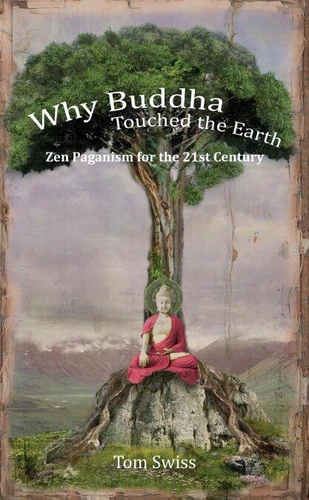
Why Buddha Touched the Earth Zen Paganism for the 21st Century
Par :Formats :
Disponible dans votre compte client Decitre ou Furet du Nord dès validation de votre commande. Le format ePub est :
- Compatible avec une lecture sur My Vivlio (smartphone, tablette, ordinateur)
- Compatible avec une lecture sur liseuses Vivlio
- Pour les liseuses autres que Vivlio, vous devez utiliser le logiciel Adobe Digital Edition. Non compatible avec la lecture sur les liseuses Kindle, Remarkable et Sony
 , qui est-ce ?
Notre partenaire de plateforme de lecture numérique où vous retrouverez l'ensemble de vos ebooks gratuitement
Pour en savoir plus sur nos ebooks, consultez notre aide en ligne ici
C'est si simple ! Lisez votre ebook avec l'app Vivlio sur votre tablette, mobile ou ordinateur :

- FormatePub
- ISBN978-1-5365-9164-4
- EAN9781536591644
- Date de parution02/08/2016
- Protection num.pas de protection
- Infos supplémentairesepub
- ÉditeurAlex Ander
Résumé
Shortly before his death, John Lennon called himself a "Zen Pagan." With this he gave an excellent name to a religious trend that goes back at least as far as Henry David Thoreau, who wrote of his love and respect for both the ancient nature god Pan and the Buddha. The connection between Buddhism and nature spirituality is ancient. According to legends of the Buddha's enlightenment, in his hour of need he asked the Earth to bear him witness rather than appealing to a heavenly deity.
Over the centuries Buddhism influenced and was influenced by nature religions like Taoism and Shinto, while its introduction to the West came partly through spiritual nature writers like Thoreau and Gary Snyder. Occultists Aleister Crowley and H. P. Blavatsky played key roles in both Buddhist and Neopagan history. Why Buddha Touched the Earth investigates the rise of Buddhism as a world religion during the nineteenth and twentieth centuries, its relationship to the Neopagan movement, and how both are related to the extraordinary changes civilization has seen since the Industrial Revolution.
It combines rigorous history with lively and practical discussions of mysticism, magic, meditation, ethics, and the future of religion in a scientific age.
Over the centuries Buddhism influenced and was influenced by nature religions like Taoism and Shinto, while its introduction to the West came partly through spiritual nature writers like Thoreau and Gary Snyder. Occultists Aleister Crowley and H. P. Blavatsky played key roles in both Buddhist and Neopagan history. Why Buddha Touched the Earth investigates the rise of Buddhism as a world religion during the nineteenth and twentieth centuries, its relationship to the Neopagan movement, and how both are related to the extraordinary changes civilization has seen since the Industrial Revolution.
It combines rigorous history with lively and practical discussions of mysticism, magic, meditation, ethics, and the future of religion in a scientific age.