"December 5. The wind has turned. The mountain is closing."
Noah is entirely alone. Perched upon a freezing, exposed weather station five thousand feet above the valley, he watches the mercury plummet into the black zone. When a catastrophic avalanche crushes his timber radio hut and freezes his power grids, survival is no longer a job-it becomes a grueling transaction of biological arithmetic.
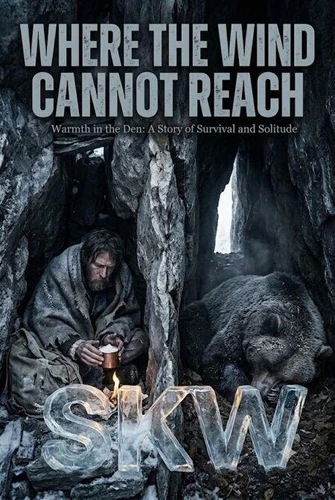
Retreating into a shallow, dark prospector's trial hole carved from solid granite, Noah must build a mortarless slate barrier against a forty-below zero tempest.
With only a threadbare wool blanket, a folding pocket knife, and three precious sulfur matches, his world shrinks to a claustrophobic tomb of absolute blackness.
But Noah is not the only creature fighting the mountain's siege. Two miles across the frozen gorge, a massive grizzly bear lies suspended in a deep winter sleep, running its own ancient, perfect internal engine of survival. As the mountain shifts and structural tremors break the doors of both sanctuaries, a human pillar of civilization and a primal predator of the wilderness begin a parallel, desperate march down the punishing scree line toward the timberline.
In a world where isolation erodes the lining of reality and phantom voices whisper from the dark, can a frail, warm-blooded creature of the valleys outlast the freezing indifference of the high ridge? Or will he become just another permanent fragment of the mountain stone?
Where the Wind Cannot Reach is an extraordinary, visceral, and deeply atmospheric masterclass in survival realism.
Reminiscent of Jack London's classic literature, this novel explores the absolute outer boundaries of human endurance, willpower, and the profound anatomy of solitude.
"December 5. The wind has turned. The mountain is closing."
Noah is entirely alone. Perched upon a freezing, exposed weather station five thousand feet above the valley, he watches the mercury plummet into the black zone. When a catastrophic avalanche crushes his timber radio hut and freezes his power grids, survival is no longer a job-it becomes a grueling transaction of biological arithmetic.
Retreating into a shallow, dark prospector's trial hole carved from solid granite, Noah must build a mortarless slate barrier against a forty-below zero tempest.
With only a threadbare wool blanket, a folding pocket knife, and three precious sulfur matches, his world shrinks to a claustrophobic tomb of absolute blackness.
But Noah is not the only creature fighting the mountain's siege. Two miles across the frozen gorge, a massive grizzly bear lies suspended in a deep winter sleep, running its own ancient, perfect internal engine of survival. As the mountain shifts and structural tremors break the doors of both sanctuaries, a human pillar of civilization and a primal predator of the wilderness begin a parallel, desperate march down the punishing scree line toward the timberline.
In a world where isolation erodes the lining of reality and phantom voices whisper from the dark, can a frail, warm-blooded creature of the valleys outlast the freezing indifference of the high ridge? Or will he become just another permanent fragment of the mountain stone?
Where the Wind Cannot Reach is an extraordinary, visceral, and deeply atmospheric masterclass in survival realism.
Reminiscent of Jack London's classic literature, this novel explores the absolute outer boundaries of human endurance, willpower, and the profound anatomy of solitude.

 , qui est-ce ?