
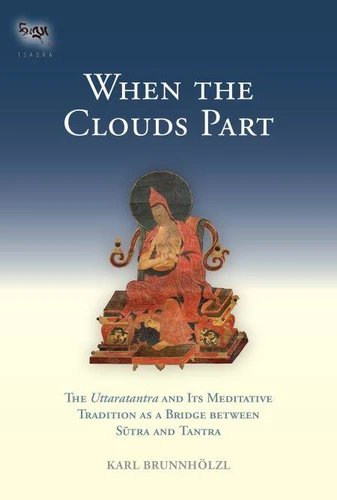
When the Clouds Part. The Uttaratantra and Its Meditative Tradition as a Bridge between Sutra and Tantra
Par :Formats :
Disponible dans votre compte client Decitre ou Furet du Nord dès validation de votre commande. Le format ePub protégé est :
- Compatible avec une lecture sur My Vivlio (smartphone, tablette, ordinateur)
- Compatible avec une lecture sur liseuses Vivlio
- Pour les liseuses autres que Vivlio, vous devez utiliser le logiciel Adobe Digital Edition. Non compatible avec la lecture sur les liseuses Kindle, Remarkable et Sony
- Non compatible avec un achat hors France métropolitaine
 , qui est-ce ?
Notre partenaire de plateforme de lecture numérique où vous retrouverez l'ensemble de vos ebooks gratuitement
Pour en savoir plus sur nos ebooks, consultez notre aide en ligne ici
C'est si simple ! Lisez votre ebook avec l'app Vivlio sur votre tablette, mobile ou ordinateur :

- Nombre de pages1360
- FormatePub
- ISBN978-0-8348-3010-3
- EAN9780834830103
- Date de parution17/02/2015
- Protection num.Adobe DRM
- Taille3 Mo
- Infos supplémentairesepub
- ÉditeurSnow Lion
Résumé
"Buddha nature" (tathagatagarbha) is the innate potential in all living beings to become a fully awakened buddha. This book discusses a wide range of topics connected with the notion of buddha nature as presented in Indo-Tibetan Buddhism and includes an overview of the sutra sources of the tathagatagarbha teachings and the different ways of explaining the meaning of this term. It includes new translations of the Maitreya treatise Mahayanottaratantra (Ratnagotravibhaga), the primary Indian text on the subject, its Indian commentaries, and two (hitherto untranslated) commentaries from the Tibetan Kagyü tradition.
Most important, the translator's introduction investigates in detail the meditative tradition of using the Mahayanottaratantra as a basis for Mahamudra instructions and the Shentong approach. This is supplemented by translations of a number of short Tibetan meditation manuals from the Kadampa, Kagyü, and Jonang schools that use the Mahayanottaratantra as a work to contemplate and realize one's own buddha nature.
Most important, the translator's introduction investigates in detail the meditative tradition of using the Mahayanottaratantra as a basis for Mahamudra instructions and the Shentong approach. This is supplemented by translations of a number of short Tibetan meditation manuals from the Kadampa, Kagyü, and Jonang schools that use the Mahayanottaratantra as a work to contemplate and realize one's own buddha nature.
A propos de Karl Brunnhölzl

31,39 €