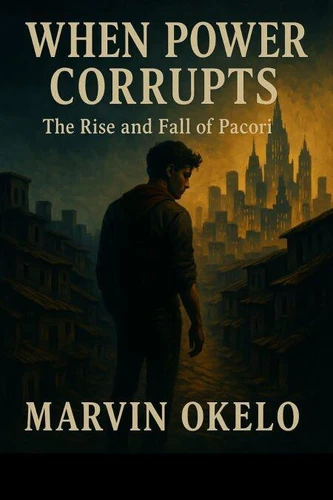
Imagine a tale, a study in the human condition, if you will. It's the story of Pacori, a man born from the harsh crucible of Kalama's slums. From the outset, we are confronted with a world of stark contrasts - wealth and poverty intertwined yet eternally separated. Pacori, witnessing the raw injustice of this world, becomes a vessel for change, a voice for the voiceless. His journey becomes a philosophical battleground.
Initially, he embodies pure idealism, a burning desire to rectify the wrongs he sees. He leads with passion, igniting hope in the hearts of the oppressed. The people rise, and for a fleeting moment, it seems that justice might prevail. But here lies the crux of our philosophical inquiry: power. As Pacori ascends, the narrative delves into its corrupting influence. Can idealism survive the weight of governance? Pacori's journey forces us to confront uncomfortable truths.
The compromises he makes, ostensibly for the greater good, slowly chip away at his moral foundation. We witness the subtle yet devastating erosion of a man's soul. The revolution itself becomes a philosophical question mark. Is true change even possible? Or are we doomed to repeat the cycles of history, where the oppressed become the oppressors, where hope is ultimately betrayed? The narrative doesn't offer easy answers.
Pacori's story is a meditation on individual responsibility. He is not merely a victim of circumstance but an active participant in his own downfall. His choices, his justifications, his betrayals - they all speak to the burden of free will and the profound consequences of moral decisions. And finally, the book reflects on the very nature of justice. What is it? How is it achieved? Is it a fixed concept, or is it malleable, shaped by the hands of those in power? Pacori's trajectory forces us to grapple with these questions, leaving us with a sense of unease, a reminder of the enduring philosophical challenges that lie at the heart of human society.
Imagine a tale, a study in the human condition, if you will. It's the story of Pacori, a man born from the harsh crucible of Kalama's slums. From the outset, we are confronted with a world of stark contrasts - wealth and poverty intertwined yet eternally separated. Pacori, witnessing the raw injustice of this world, becomes a vessel for change, a voice for the voiceless. His journey becomes a philosophical battleground.
Initially, he embodies pure idealism, a burning desire to rectify the wrongs he sees. He leads with passion, igniting hope in the hearts of the oppressed. The people rise, and for a fleeting moment, it seems that justice might prevail. But here lies the crux of our philosophical inquiry: power. As Pacori ascends, the narrative delves into its corrupting influence. Can idealism survive the weight of governance? Pacori's journey forces us to confront uncomfortable truths.
The compromises he makes, ostensibly for the greater good, slowly chip away at his moral foundation. We witness the subtle yet devastating erosion of a man's soul. The revolution itself becomes a philosophical question mark. Is true change even possible? Or are we doomed to repeat the cycles of history, where the oppressed become the oppressors, where hope is ultimately betrayed? The narrative doesn't offer easy answers.
Pacori's story is a meditation on individual responsibility. He is not merely a victim of circumstance but an active participant in his own downfall. His choices, his justifications, his betrayals - they all speak to the burden of free will and the profound consequences of moral decisions. And finally, the book reflects on the very nature of justice. What is it? How is it achieved? Is it a fixed concept, or is it malleable, shaped by the hands of those in power? Pacori's trajectory forces us to grapple with these questions, leaving us with a sense of unease, a reminder of the enduring philosophical challenges that lie at the heart of human society.

 , qui est-ce ?
