Nouveauté
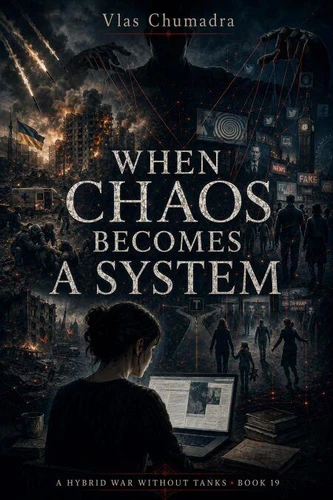
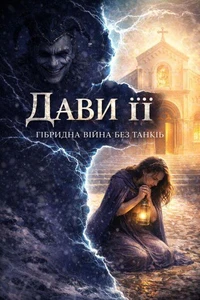
When Chaos Becomes a System. A Hybrid War Without Tanks, #19
Par :Formats :
Disponible dans votre compte client Decitre ou Furet du Nord dès validation de votre commande. Le format ePub est :
- Compatible avec une lecture sur My Vivlio (smartphone, tablette, ordinateur)
- Compatible avec une lecture sur liseuses Vivlio
- Pour les liseuses autres que Vivlio, vous devez utiliser le logiciel Adobe Digital Edition. Non compatible avec la lecture sur les liseuses Kindle, Remarkable et Sony
 , qui est-ce ?
Notre partenaire de plateforme de lecture numérique où vous retrouverez l'ensemble de vos ebooks gratuitement
Pour en savoir plus sur nos ebooks, consultez notre aide en ligne ici
C'est si simple ! Lisez votre ebook avec l'app Vivlio sur votre tablette, mobile ou ordinateur :

- FormatePub
- ISBN8235868953
- EAN9798235868953
- Date de parution19/08/2026
- Protection num.pas de protection
- Infos supplémentairesepub
- ÉditeurIoakim Ioakim
Résumé
When Chaos Becomes a System is Book 19 in the A Hybrid War Without Tanks series - a psychological and analytical novel about how war can extend far beyond the battlefield and penetrate human relationships, trust, families, professional decisions, and humanitarian networks. Through the stories of Stefania, Tymofii, Mikael, and others, the book examines how fear, vulnerability, hope, dependence, social pressure, and competition for resources can influence human behavior.
Separate events are analyzed not as automatic proof of a single conspiracy, but as elements that must be tested through chronology, evidence, alternative explanations, and causal links. The central question is simple but disturbing: when different conflicts begin producing the same functional result - damaged trust, redirected resources, fractured relationships, weakened initiative - at what point does chaos cease to be accidental and begin to function as a system?This is a book about trust as a resource, vulnerability as a point of entry, and the discipline required to distinguish fact from testimony, hypothesis from proof, and a recurring mechanism from an unproven attribution.
Separate events are analyzed not as automatic proof of a single conspiracy, but as elements that must be tested through chronology, evidence, alternative explanations, and causal links. The central question is simple but disturbing: when different conflicts begin producing the same functional result - damaged trust, redirected resources, fractured relationships, weakened initiative - at what point does chaos cease to be accidental and begin to function as a system?This is a book about trust as a resource, vulnerability as a point of entry, and the discipline required to distinguish fact from testimony, hypothesis from proof, and a recurring mechanism from an unproven attribution.
A propos de Vlas Chumadra
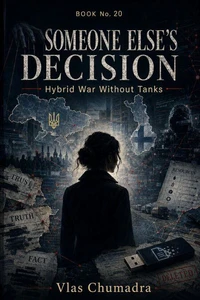
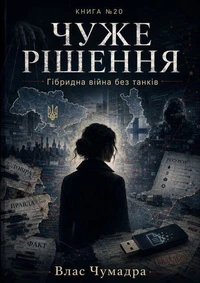
5,49 €
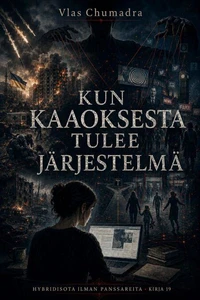
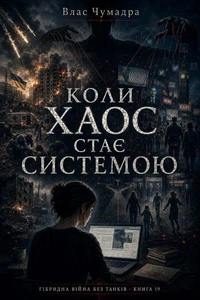
3,49 €

4,49 €

1,99 €
4,49 €