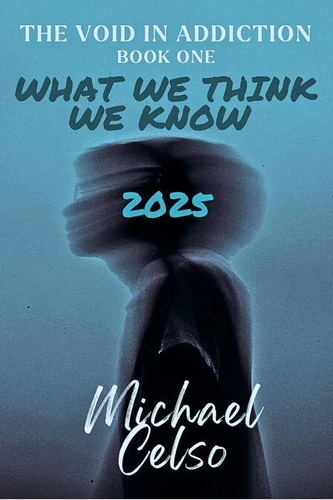
What We Think We Know 2025. The Void In Addiction, #1
Par :Formats :
Disponible dans votre compte client Decitre ou Furet du Nord dès validation de votre commande. Le format ePub est :
- Compatible avec une lecture sur My Vivlio (smartphone, tablette, ordinateur)
- Compatible avec une lecture sur liseuses Vivlio
- Pour les liseuses autres que Vivlio, vous devez utiliser le logiciel Adobe Digital Edition. Non compatible avec la lecture sur les liseuses Kindle, Remarkable et Sony
 , qui est-ce ?
Notre partenaire de plateforme de lecture numérique où vous retrouverez l'ensemble de vos ebooks gratuitement
Pour en savoir plus sur nos ebooks, consultez notre aide en ligne ici
C'est si simple ! Lisez votre ebook avec l'app Vivlio sur votre tablette, mobile ou ordinateur :

- FormatePub
- ISBN8233779985
- EAN9798233779985
- Date de parution31/01/2026
- Protection num.pas de protection
- Infos supplémentairesepub
- ÉditeurLinda Balsamo
Résumé
What if addiction is not the disease-but the symptom? In What We Think We Know, Book One of The Void in Addiction series, Michael Celso challenges conventional narratives surrounding addiction by turning attention toward the often-unspoken force beneath it: the inner void shaped by trauma, disconnection, and unmet human needs. Drawing from neuroscience, psychology, lived experience, and spiritual inquiry, this foundational volume reframes addiction as a human response to suffering rather than a moral failure or isolated pathology.
Celso examines how both substance and behavioral addictions emerge from the same underlying mechanisms-disrupted reward systems, emotional dysregulation, unresolved trauma, and the search for meaning in an increasingly fragmented world. This book explores: The expanding landscape of substance and behavioral addiction The role of trauma, adverse childhood experiences, and emotional neglect How the brain's reward system is hijacked by compulsive behavior Cultural myths and stigma that obscure understanding and healing Why awareness-not punishment or shame-is the starting point of recovery Rather than offering quick fixes or rigid solutions, What We Think We Know invites readers to question assumptions, dismantle stigma, and develop a deeper, more compassionate understanding of addiction.
It is both an entry point into the series and a stand-alone examination of why modern approaches often fail to address the root causes of suffering. Written with clarity, empathy, and intellectual depth, this book is for students, clinicians, people in recovery, and anyone seeking to understand addiction beyond labels and diagnoses. Healing begins not with certainty-but with the courage to question what we think we know.
Celso examines how both substance and behavioral addictions emerge from the same underlying mechanisms-disrupted reward systems, emotional dysregulation, unresolved trauma, and the search for meaning in an increasingly fragmented world. This book explores: The expanding landscape of substance and behavioral addiction The role of trauma, adverse childhood experiences, and emotional neglect How the brain's reward system is hijacked by compulsive behavior Cultural myths and stigma that obscure understanding and healing Why awareness-not punishment or shame-is the starting point of recovery Rather than offering quick fixes or rigid solutions, What We Think We Know invites readers to question assumptions, dismantle stigma, and develop a deeper, more compassionate understanding of addiction.
It is both an entry point into the series and a stand-alone examination of why modern approaches often fail to address the root causes of suffering. Written with clarity, empathy, and intellectual depth, this book is for students, clinicians, people in recovery, and anyone seeking to understand addiction beyond labels and diagnoses. Healing begins not with certainty-but with the courage to question what we think we know.