SOLDES
Jusqu'à -70% sur une sélection d'articles*

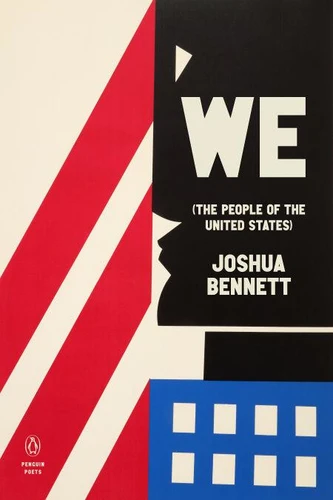
We (the People of the United States)
Par :Formats :
Disponible dans votre compte client Decitre ou Furet du Nord dès validation de votre commande. Le format ePub protégé est :
- Compatible avec une lecture sur My Vivlio (smartphone, tablette, ordinateur)
- Compatible avec une lecture sur liseuses Vivlio
- Pour les liseuses autres que Vivlio, vous devez utiliser le logiciel Adobe Digital Edition. Non compatible avec la lecture sur les liseuses Kindle, Remarkable et Sony
- Non compatible avec un achat hors France métropolitaine
 , qui est-ce ?
Notre partenaire de plateforme de lecture numérique où vous retrouverez l'ensemble de vos ebooks gratuitement
Pour en savoir plus sur nos ebooks, consultez notre aide en ligne ici
C'est si simple ! Lisez votre ebook avec l'app Vivlio sur votre tablette, mobile ou ordinateur :

- Nombre de pages112
- FormatePub
- ISBN978-0-593-51275-3
- EAN9780593512753
- Date de parution17/03/2026
- Protection num.Adobe DRM
- Taille2 Mo
- Infos supplémentairesepub
- ÉditeurPenguin Books
Résumé
"An essential addition to the American poetic canon." -BooklistFrom an award-winning poet praised for his "rhapsodic, rigorous" work (The New Yorker) comes an immersive meditation on kindship, collectivity, and environmental thoughtWe (The People of The United States) is a book-length poem made to the measure of the modern world. Composed of 55 sections, it features a breathtaking range of characters and concerns: The Beach Boys, Gwendolyn Brooks, the invention of the typewriter, Zora Neale Hurston, Sun Ra, life on Mars, Robert Frost, experimental physics, The Jackson 5.
Throughout the collection, Bennett summons Virgil's Georgics as a lens through which to not only tell the story of his family, but a much larger one about the "form of the American mind, " our relationship to the natural world, and the pursuit of a dignified, abundant life. Published the year of the nation's 250th anniversary, it is a collection that is right on time. One that calls us, as Langston Hughes once did, toward a future America that is not yet here, "and yet must be."
Throughout the collection, Bennett summons Virgil's Georgics as a lens through which to not only tell the story of his family, but a much larger one about the "form of the American mind, " our relationship to the natural world, and the pursuit of a dignified, abundant life. Published the year of the nation's 250th anniversary, it is a collection that is right on time. One that calls us, as Langston Hughes once did, toward a future America that is not yet here, "and yet must be."
A propos de Joshua Bennett


L'Amérique sera
E-book
14,99 €
Minor Notes, Volume 1
E-book
13,76 €

The Study of Human Life
E-book
13,76 €
Owed
E-book
20,64 €

The Sobbing School
E-book
13,76 €