SOLDES
Jusqu'à -70% sur une sélection d'articles*

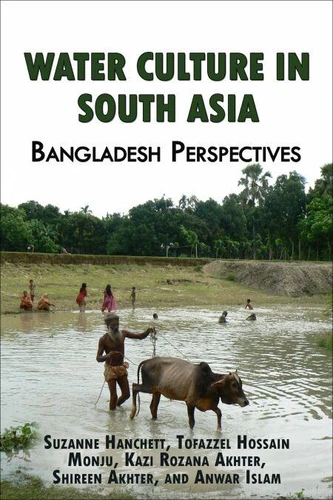
Water Culture in South Asia: Bangladesh Perspectives
Par :Formats :
Disponible dans votre compte client Decitre ou Furet du Nord dès validation de votre commande. Le format ePub est :
- Compatible avec une lecture sur My Vivlio (smartphone, tablette, ordinateur)
- Compatible avec une lecture sur liseuses Vivlio
- Pour les liseuses autres que Vivlio, vous devez utiliser le logiciel Adobe Digital Edition. Non compatible avec la lecture sur les liseuses Kindle, Remarkable et Sony
 , qui est-ce ?
Notre partenaire de plateforme de lecture numérique où vous retrouverez l'ensemble de vos ebooks gratuitement
Pour en savoir plus sur nos ebooks, consultez notre aide en ligne ici
C'est si simple ! Lisez votre ebook avec l'app Vivlio sur votre tablette, mobile ou ordinateur :

- FormatePub
- ISBN978-0-9906337-3-0
- EAN9780990633730
- Date de parution01/10/2014
- Protection num.pas de protection
- Infos supplémentairesepub
- Éditeurshanchett
Résumé
"Water is life" in Bangladesh. Based on five researchers' long-term involvement with water development programs in eight districts, this book introduces the reader to the vast range of meanings that water has in this South Asian country, where village women struggle daily for access to safe supplies. Mythology, ancient sciences, folklore, and language provide a rich cultural foundation sustaining villagers' water-related beliefs and practices.
Large parts of the region face the daunting challenge of arsenic in the water supply. Reactions to this serious problem are explored through case studies and insights based on the authors' many years of field experience. This book will help to sensitize scientifically oriented development workers to the ways that that cultural frameworks influence people's understandings and uses of new ideas and technologies.
Focusing on WASH (water, sanitation, and hygiene) strategies, domestic supply issues, and perceptions of water's qualities and powers, the authors aim to throw light on new ways to engage with the social and cultural context of a development project. There is an extensive bibliography and a detailed index. The book is richly illustrated with numerous color photographs.
Large parts of the region face the daunting challenge of arsenic in the water supply. Reactions to this serious problem are explored through case studies and insights based on the authors' many years of field experience. This book will help to sensitize scientifically oriented development workers to the ways that that cultural frameworks influence people's understandings and uses of new ideas and technologies.
Focusing on WASH (water, sanitation, and hygiene) strategies, domestic supply issues, and perceptions of water's qualities and powers, the authors aim to throw light on new ways to engage with the social and cultural context of a development project. There is an extensive bibliography and a detailed index. The book is richly illustrated with numerous color photographs.