SOLDES
Jusqu'à -70% sur une sélection d'articles*

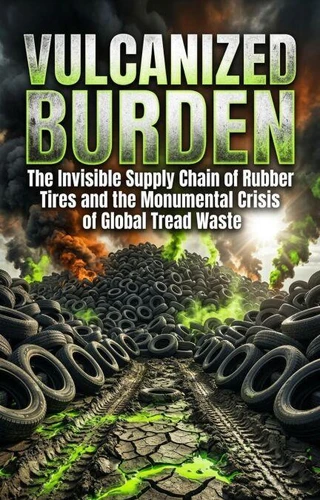
Vulcanized Burden. The Invisible Supply Chain of Rubber Tires and the Monumental Crisis of Global Tread Waste
Par :Formats :
Disponible dans votre compte client Decitre ou Furet du Nord dès validation de votre commande. Le format ePub est :
- Compatible avec une lecture sur My Vivlio (smartphone, tablette, ordinateur)
- Compatible avec une lecture sur liseuses Vivlio
- Pour les liseuses autres que Vivlio, vous devez utiliser le logiciel Adobe Digital Edition. Non compatible avec la lecture sur les liseuses Kindle, Remarkable et Sony
 , qui est-ce ?
Notre partenaire de plateforme de lecture numérique où vous retrouverez l'ensemble de vos ebooks gratuitement
Pour en savoir plus sur nos ebooks, consultez notre aide en ligne ici
C'est si simple ! Lisez votre ebook avec l'app Vivlio sur votre tablette, mobile ou ordinateur :

- Nombre de pages153
- FormatePub
- ISBN978-3-565-32590-0
- EAN9783565325900
- Date de parution14/03/2026
- Protection num.pas de protection
- Taille880 Ko
- Infos supplémentairesepub
- ÉditeurEmphaloz Publishing House
Résumé
We obsess over tailpipe emissions and battery lifespans, ignoring the fact that every vehicle on earth rides on a ticking environmental time bomb. The global economy runs on pneumatic tires, a miraculous blend of synthetic rubber, steel, and toxic chemicals bonded together through vulcanization. But this process, which makes the tire durable enough to survive thousands of miles of friction, also makes it practically indestructible.
When a tire reaches the end of its life, it enters a dark, highly complex supply chain of waste.
Because vulcanized rubber cannot be melted down and reused like plastic or glass, billions of scrap tires are stockpiled in massive, highly flammable mountains, shipped to developing nations, or ground down into toxic turf. Worse still, the daily friction of driving shreds these tires into microscopic dust, making tire wear the largest unrecognized source of microplastic pollution in our oceans. This investigation explores the chemical stubbornness of vulcanized rubber and the shadow industry struggling to manage global automotive waste.
It maps the journey from the rubber tree plantations to the toxic graveyards where mobility goes to die. You will uncover the severe limits of modern recycling and understand why the future of transportation must solve the friction problem before the world is buried under the weight of its own momentum.
Because vulcanized rubber cannot be melted down and reused like plastic or glass, billions of scrap tires are stockpiled in massive, highly flammable mountains, shipped to developing nations, or ground down into toxic turf. Worse still, the daily friction of driving shreds these tires into microscopic dust, making tire wear the largest unrecognized source of microplastic pollution in our oceans. This investigation explores the chemical stubbornness of vulcanized rubber and the shadow industry struggling to manage global automotive waste.
It maps the journey from the rubber tree plantations to the toxic graveyards where mobility goes to die. You will uncover the severe limits of modern recycling and understand why the future of transportation must solve the friction problem before the world is buried under the weight of its own momentum.