SOLDES
Jusqu'à -70% sur une sélection d'articles*

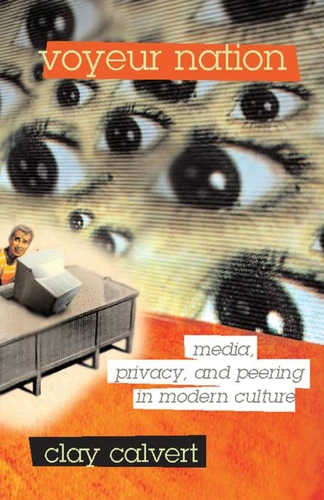
Voyeur Nation. Media, Privacy, And Peering In Modern Culture
Par :Formats :
Disponible dans votre compte client Decitre ou Furet du Nord dès validation de votre commande. Le format ePub protégé est :
- Compatible avec une lecture sur My Vivlio (smartphone, tablette, ordinateur)
- Compatible avec une lecture sur liseuses Vivlio
- Pour les liseuses autres que Vivlio, vous devez utiliser le logiciel Adobe Digital Edition. Non compatible avec la lecture sur les liseuses Kindle, Remarkable et Sony
- Non compatible avec un achat hors France métropolitaine
 , qui est-ce ?
Notre partenaire de plateforme de lecture numérique où vous retrouverez l'ensemble de vos ebooks gratuitement
Pour en savoir plus sur nos ebooks, consultez notre aide en ligne ici
C'est si simple ! Lisez votre ebook avec l'app Vivlio sur votre tablette, mobile ou ordinateur :

- Nombre de pages288
- FormatePub
- ISBN978-0-7867-4775-7
- EAN9780786747757
- Date de parution20/04/2009
- Protection num.Adobe DRM
- Infos supplémentairesepub
- ÉditeurBasic Books
Résumé
From 24-hour-a-day "girl cam" sites on the World Wide Web to trash-talk television shows like "Jerry Springer" and reality television programs like "Cops, " we've become a world of voyeurs. We like to watch others as their intimate moments, private facts, secrets, and dirty laundry are revealed. Voyeur Nation traces the evolution and forces driving what the author calls the 'voyeurism value.' Calvert argues that although spectatorship and sensationalism are far from new phenomena, today a confluence of factors-legal, social, political, and technological-pushes voyeurism to the forefront of our image-based world.
The First Amendment increasingly is called on to safeguard our right, via new technologies and recording devices, to peer into the innermost details of others' lives without fear of legal repercussion. But Calvert argues that the voyeurism value contradicts the value of discourse in democracy and First Amendment theory, since voyeurism by its very nature involves merely watching without interacting or participating.
It privileges watching and viewing media images over participating and interacting in democracy.
The First Amendment increasingly is called on to safeguard our right, via new technologies and recording devices, to peer into the innermost details of others' lives without fear of legal repercussion. But Calvert argues that the voyeurism value contradicts the value of discourse in democracy and First Amendment theory, since voyeurism by its very nature involves merely watching without interacting or participating.
It privileges watching and viewing media images over participating and interacting in democracy.