SOLDES
Jusqu'à -70% sur une sélection d'articles*

Volcanoes, Earthquakes and Tsunamis: A Complete Introduction: Teach Yourself
Par :Formats :
Disponible dans votre compte client Decitre ou Furet du Nord dès validation de votre commande. Le format ePub protégé est :
- Compatible avec une lecture sur My Vivlio (smartphone, tablette, ordinateur)
- Compatible avec une lecture sur liseuses Vivlio
- Pour les liseuses autres que Vivlio, vous devez utiliser le logiciel Adobe Digital Edition. Non compatible avec la lecture sur les liseuses Kindle, Remarkable et Sony
- Non compatible avec un achat hors France métropolitaine
 , qui est-ce ?
Notre partenaire de plateforme de lecture numérique où vous retrouverez l'ensemble de vos ebooks gratuitement
Pour en savoir plus sur nos ebooks, consultez notre aide en ligne ici
C'est si simple ! Lisez votre ebook avec l'app Vivlio sur votre tablette, mobile ou ordinateur :

- Nombre de pages448
- FormatePub
- ISBN978-1-4736-0172-7
- EAN9781473601727
- Date de parution02/12/2015
- Protection num.Adobe DRM
- Infos supplémentairesepub
- ÉditeurTeach Yourself
Résumé
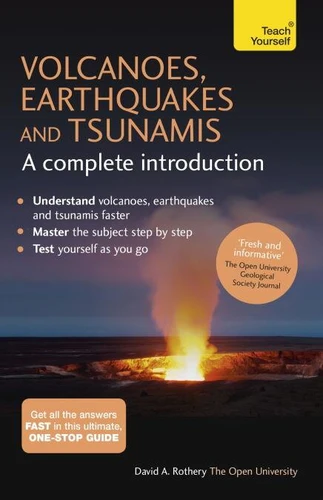
How do volcanoes erupt, what makes earthquakes so destructive, and why do tsunamis happen?Volcanoes, Earthquakes and Tsunamis answers these questions and more, giving you everything you need to know about these powerful natural phenomena. It covers the plate tectonic background to Earth processes, where magma is made and how it erupts, volcano types, eruption hazards and how they are monitored, faults and earthquakes, the causes of tsunamis and tsunami preparedness.
You will examine many examples of these frightening events, find out to what extent they can be predicted and mitigated against, and come to realize how they are related and the impact they have on human society and the natural world. Written by Dr David Rothery, a volcanologist, geologist, planetary scientist and Professor of Planetary Geosciences at the Open University, Volcanoes, Earthquakes and Tsunamis: A Complete Introduction is designed to give you everything you need to know, all in one place.
It covers the key areas that students are expected to be confident in, outlining the basics in clear English and providing added-value features like a glossary of essential terms and even examples of questions you might be asked in your seminar or exam. The book covers the essentials of most university courses, with an introduction on how the Earth moves, followed by separate sections on volcanoes (including eruptions, types of volcano, volcanic hazards, volcanoes and climate, monitoring volcanoes, predicting eruptions and living with volcanoes), earthquakes (including faults, measurement, seismic monitoring, prediction, prevention and preparedness) and tsunamis.
The colour plates referred to in the book can be downloaded from the Teach Yourself online library or accessed through the Teach Yourself Library app.
You will examine many examples of these frightening events, find out to what extent they can be predicted and mitigated against, and come to realize how they are related and the impact they have on human society and the natural world. Written by Dr David Rothery, a volcanologist, geologist, planetary scientist and Professor of Planetary Geosciences at the Open University, Volcanoes, Earthquakes and Tsunamis: A Complete Introduction is designed to give you everything you need to know, all in one place.
It covers the key areas that students are expected to be confident in, outlining the basics in clear English and providing added-value features like a glossary of essential terms and even examples of questions you might be asked in your seminar or exam. The book covers the essentials of most university courses, with an introduction on how the Earth moves, followed by separate sections on volcanoes (including eruptions, types of volcano, volcanic hazards, volcanoes and climate, monitoring volcanoes, predicting eruptions and living with volcanoes), earthquakes (including faults, measurement, seismic monitoring, prediction, prevention and preparedness) and tsunamis.
The colour plates referred to in the book can be downloaded from the Teach Yourself online library or accessed through the Teach Yourself Library app.