SOLDES
Jusqu'à -70% sur une sélection d'articles*

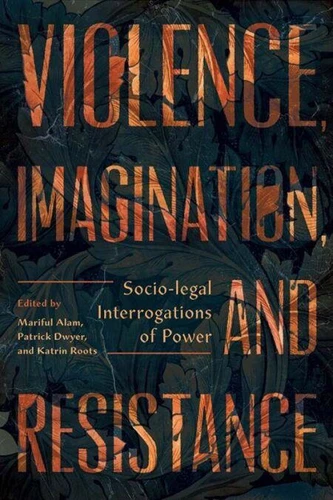
Violence, Imagination, and Resistance. Socio-legal Interrogations of Power
Par : , ,Formats :
Disponible dans votre compte client Decitre ou Furet du Nord dès validation de votre commande. Le format ePub est :
- Compatible avec une lecture sur My Vivlio (smartphone, tablette, ordinateur)
- Compatible avec une lecture sur liseuses Vivlio
- Pour les liseuses autres que Vivlio, vous devez utiliser le logiciel Adobe Digital Edition. Non compatible avec la lecture sur les liseuses Kindle, Remarkable et Sony
 , qui est-ce ?
Notre partenaire de plateforme de lecture numérique où vous retrouverez l'ensemble de vos ebooks gratuitement
Pour en savoir plus sur nos ebooks, consultez notre aide en ligne ici
C'est si simple ! Lisez votre ebook avec l'app Vivlio sur votre tablette, mobile ou ordinateur :

- Nombre de pages230
- FormatePub
- ISBN978-1-77199-367-8
- EAN9781771993678
- Date de parution25/05/2023
- Protection num.Digital Watermarking
- Taille737 Ko
- Infos supplémentairesepub
- ÉditeurAU Press
Résumé
Much of the discussion of social transformation and resistance in socio-legal studies centres around the question of whether and how the law can be used to achieve practical change. However, the editors of this volume argue that it will never be possible to enact change through the law because it is inseparable from violence, be it metaphysical, social, or political. They posit that a "just world, " free from oppressive power relations, requires us to imagine communities where the state and its law cease to exist.
Contributors address the underexplored questions of what alternatives to law could look like: how communities could organize their everyday lives, and how they could address social and interpersonal conflicts outside of an apparatus of violence. These essays contribute to the ongoing interrogation of settler colonialism, racism, and structural violence in Canada by demonstrating how to expose the violence the law produces, how to deconstruct law's power, and, finally, how to identify modes of resistance that have transformative potential.
Contributors address the underexplored questions of what alternatives to law could look like: how communities could organize their everyday lives, and how they could address social and interpersonal conflicts outside of an apparatus of violence. These essays contribute to the ongoing interrogation of settler colonialism, racism, and structural violence in Canada by demonstrating how to expose the violence the law produces, how to deconstruct law's power, and, finally, how to identify modes of resistance that have transformative potential.