SOLDES
Jusqu'à -70% sur une sélection d'articles*

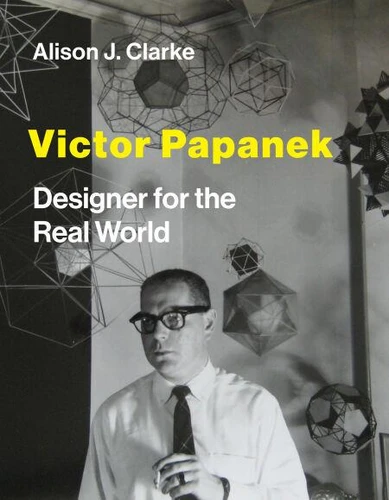
Victor Papanek Designer for the Real World /anglais
Par :Formats :
Disponible dans votre compte client Decitre ou Furet du Nord dès validation de votre commande. Le format ePub protégé est :
- Compatible avec une lecture sur My Vivlio (smartphone, tablette, ordinateur)
- Compatible avec une lecture sur liseuses Vivlio
- Pour les liseuses autres que Vivlio, vous devez utiliser le logiciel Adobe Digital Edition. Non compatible avec la lecture sur les liseuses Kindle, Remarkable et Sony
- Non compatible avec un achat hors France métropolitaine
 , qui est-ce ?
Notre partenaire de plateforme de lecture numérique où vous retrouverez l'ensemble de vos ebooks gratuitement
Pour en savoir plus sur nos ebooks, consultez notre aide en ligne ici
C'est si simple ! Lisez votre ebook avec l'app Vivlio sur votre tablette, mobile ou ordinateur :

- Nombre de pages360
- FormatePub
- ISBN978-0-262-36160-6
- EAN9780262361606
- Date de parution23/03/2021
- Protection num.Adobe DRM
- Taille8 Mo
- Infos supplémentairesepub
- ÉditeurThe MIT Press
Résumé
The history and controversial roots of the social design movement, explored through the life and work of its leading pioneer, Victor Papanek. In Victor Papanek: Designer for the Real World, Alison Clarke explores the social design movement through the life of its leading pioneer, the Austrian American designer, theorist, and activist Victor Papanek. Papanek's 1971 best seller, Design for the Real World: Human Ecology and Social Change has been translated into twenty-two languages and never fallen out of print.
Its politics of social design, anti-corporatism, and environmental sustainability have found renewed pertinence in the twenty-first century and dominate the agendas of design schools today. Drawing extensively on previously unexplored archival sources, Clarke uncovers and contextualizes the movement's controversial origins and contradictions.
Its politics of social design, anti-corporatism, and environmental sustainability have found renewed pertinence in the twenty-first century and dominate the agendas of design schools today. Drawing extensively on previously unexplored archival sources, Clarke uncovers and contextualizes the movement's controversial origins and contradictions.