SOLDES
Jusqu'à -70% sur une sélection d'articles*

Nouveauté
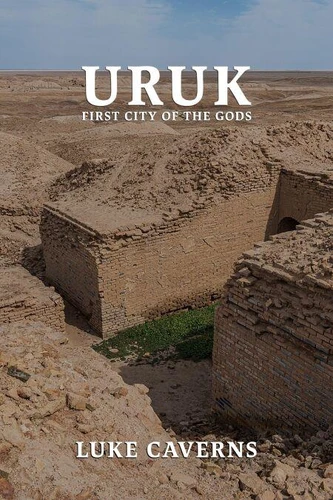
URUK, First City of the Gods. First Empires Trilogy, #1
Par :Formats :
Disponible dans votre compte client Decitre ou Furet du Nord dès validation de votre commande. Le format ePub est :
- Compatible avec une lecture sur My Vivlio (smartphone, tablette, ordinateur)
- Compatible avec une lecture sur liseuses Vivlio
- Pour les liseuses autres que Vivlio, vous devez utiliser le logiciel Adobe Digital Edition. Non compatible avec la lecture sur les liseuses Kindle, Remarkable et Sony
 , qui est-ce ?
Notre partenaire de plateforme de lecture numérique où vous retrouverez l'ensemble de vos ebooks gratuitement
Pour en savoir plus sur nos ebooks, consultez notre aide en ligne ici
C'est si simple ! Lisez votre ebook avec l'app Vivlio sur votre tablette, mobile ou ordinateur :

- FormatePub
- ISBN8235912748
- EAN9798235912748
- Date de parution22/06/2026
- Protection num.pas de protection
- Infos supplémentairesepub
- ÉditeurIoakim Ioakim
Résumé
Uruk stood on the southern Mesopotamian plain, built from mudbrick, river clay, labour, grain, ritual, and memory. Its ruins at Warka preserve one of the oldest great urban sites in the world: temple districts, administrative buildings, mass-produced bowls, sealings, proto-cuneiform tablets, and sacred architecture rebuilt over centuries. This book investigates the city behind the famous names: Inanna and her sanctuary at Eanna, Utu/Shamash and divine justice, the Sumerian King List, Enmerkar, Lugalbanda, Dumuzi, and Gilgamesh.
These figures carried Uruk into myth, but the city beneath them was real: walls, temples, storehouses, workers, scribes, offerings, fields, flocks, and clay records. The earliest writing from Uruk was not heroic poetry. It counted grain, labour, animals, beer, textiles, and obligations. The temple was not only a place of worship. It was the house of a god, an estate, a workplace, a storehouse, and a centre of authority.
Kingship did not appear as a clean political office. It formed through ritual, divine favour, city memory, and the hard problem of organizing people at a scale earlier communities had not faced. Uruk became a city of gods because it was also a city of systems. This is a study of archaeology, myth, kingship, sacred space, and written memory: the mudbrick city beneath Gilgamesh, the cult world behind Inanna, and the old Mesopotamian attempt to explain power through temples, gods, rituals, lists, and stories.
These figures carried Uruk into myth, but the city beneath them was real: walls, temples, storehouses, workers, scribes, offerings, fields, flocks, and clay records. The earliest writing from Uruk was not heroic poetry. It counted grain, labour, animals, beer, textiles, and obligations. The temple was not only a place of worship. It was the house of a god, an estate, a workplace, a storehouse, and a centre of authority.
Kingship did not appear as a clean political office. It formed through ritual, divine favour, city memory, and the hard problem of organizing people at a scale earlier communities had not faced. Uruk became a city of gods because it was also a city of systems. This is a study of archaeology, myth, kingship, sacred space, and written memory: the mudbrick city beneath Gilgamesh, the cult world behind Inanna, and the old Mesopotamian attempt to explain power through temples, gods, rituals, lists, and stories.