SOLDES
Jusqu'à -70% sur une sélection d'articles*

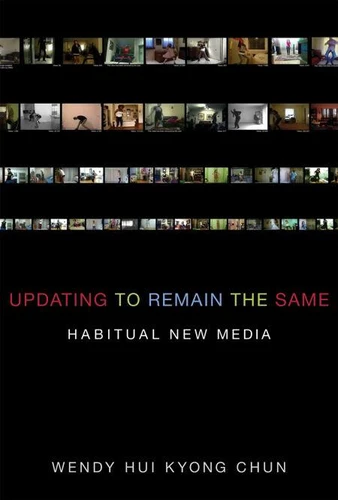
Updating to Remain the Same. Habitual New Media
Par :Formats :
Disponible dans votre compte client Decitre ou Furet du Nord dès validation de votre commande. Le format ePub protégé est :
- Compatible avec une lecture sur My Vivlio (smartphone, tablette, ordinateur)
- Compatible avec une lecture sur liseuses Vivlio
- Pour les liseuses autres que Vivlio, vous devez utiliser le logiciel Adobe Digital Edition. Non compatible avec la lecture sur les liseuses Kindle, Remarkable et Sony
- Non compatible avec un achat hors France métropolitaine
 , qui est-ce ?
Notre partenaire de plateforme de lecture numérique où vous retrouverez l'ensemble de vos ebooks gratuitement
Pour en savoir plus sur nos ebooks, consultez notre aide en ligne ici
C'est si simple ! Lisez votre ebook avec l'app Vivlio sur votre tablette, mobile ou ordinateur :

- Nombre de pages264
- FormatePub
- ISBN978-0-262-33378-8
- EAN9780262333788
- Date de parution27/05/2016
- Protection num.Adobe DRM
- Taille3 Mo
- Infos supplémentairesepub
- ÉditeurThe MIT Press
Résumé
What it means when media moves from the new to the habitual-when our bodies become archives of supposedly obsolescent media, streaming, updating, sharing, saving. New media-we are told-exist at the bleeding edge of obsolescence. We thus forever try to catch up, updating to remain the same. Meanwhile, analytic, creative, and commercial efforts focus exclusively on the next big thing: figuring out what will spread and who will spread it the fastest.
But what do we miss in this constant push to the future? In Updating to Remain the Same, Wendy Hui Kyong Chun suggests another approach, arguing that our media matter most when they seem not to matter at all-when they have moved from "new" to habitual. Smart phones, for example, no longer amaze, but they increasingly structure and monitor our lives. Through habits, Chun says, new media become embedded in our lives-indeed, we become our machines: we stream, update, capture, upload, link, save, trash, and troll.
Chun links habits to the rise of networks as the defining concept of our era. Networks have been central to the emergence of neoliberalism, replacing "society" with groupings of individuals and connectable "YOUS." (For isn't "new media" actually "NYOU media"?) Habit is central to the inversion of privacy and publicity that drives neoliberalism and networks. Why do we view our networked devices as "personal" when they are so chatty and promiscuous? What would happen, Chun asks, if, rather than pushing for privacy that is no privacy, we demanded public rights-the right to be exposed, to take risks and to be in public and not be attacked?
But what do we miss in this constant push to the future? In Updating to Remain the Same, Wendy Hui Kyong Chun suggests another approach, arguing that our media matter most when they seem not to matter at all-when they have moved from "new" to habitual. Smart phones, for example, no longer amaze, but they increasingly structure and monitor our lives. Through habits, Chun says, new media become embedded in our lives-indeed, we become our machines: we stream, update, capture, upload, link, save, trash, and troll.
Chun links habits to the rise of networks as the defining concept of our era. Networks have been central to the emergence of neoliberalism, replacing "society" with groupings of individuals and connectable "YOUS." (For isn't "new media" actually "NYOU media"?) Habit is central to the inversion of privacy and publicity that drives neoliberalism and networks. Why do we view our networked devices as "personal" when they are so chatty and promiscuous? What would happen, Chun asks, if, rather than pushing for privacy that is no privacy, we demanded public rights-the right to be exposed, to take risks and to be in public and not be attacked?