SOLDES
Jusqu'à -70% sur une sélection d'articles*

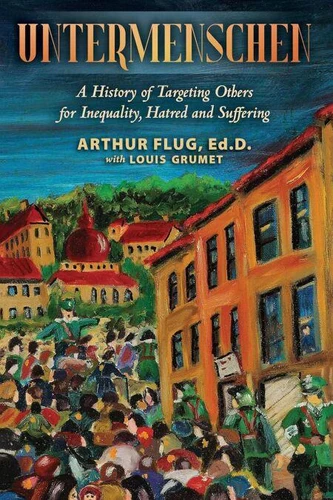
Untermenschen: A History of Targeting Others for Inequality, Hatred and Suffering
Par :Formats :
Disponible dans votre compte client Decitre ou Furet du Nord dès validation de votre commande. Le format ePub est :
- Compatible avec une lecture sur My Vivlio (smartphone, tablette, ordinateur)
- Compatible avec une lecture sur liseuses Vivlio
- Pour les liseuses autres que Vivlio, vous devez utiliser le logiciel Adobe Digital Edition. Non compatible avec la lecture sur les liseuses Kindle, Remarkable et Sony
 , qui est-ce ?
Notre partenaire de plateforme de lecture numérique où vous retrouverez l'ensemble de vos ebooks gratuitement
Pour en savoir plus sur nos ebooks, consultez notre aide en ligne ici
C'est si simple ! Lisez votre ebook avec l'app Vivlio sur votre tablette, mobile ou ordinateur :

- FormatePub
- ISBN8232691783
- EAN9798232691783
- Date de parution17/11/2025
- Protection num.pas de protection
- Infos supplémentairesepub
- ÉditeurDraft2Digital
Résumé
Hundreds march in torchlight parade condemning Jews! Non-citizens are denounced as vermin! Sick and disabled ridiculed!These scenes which are occurring throughout America and Europe today are scarily familiar to similar scenes in America and Europe in the 1930s when the Nazis and their allies identified certain populations as Untermenschen, or less than human, and marked them for enslavement and/or elimination.
It also is similar to scenes leading up to the pogroms that occurred in various countries in Europe for centuries. This book highlights the history of antisemitism and mistreatment of other targeted groups over centuries in Europe and in the United States. It grew out of interviews with nine survivors of the nazi atrocities who asked to spread their stories in the hope that knowledge of such things would ensure that they would never happen again.
They were concerned that as years passed, memories fade and hatred would take root again.
It also is similar to scenes leading up to the pogroms that occurred in various countries in Europe for centuries. This book highlights the history of antisemitism and mistreatment of other targeted groups over centuries in Europe and in the United States. It grew out of interviews with nine survivors of the nazi atrocities who asked to spread their stories in the hope that knowledge of such things would ensure that they would never happen again.
They were concerned that as years passed, memories fade and hatred would take root again.