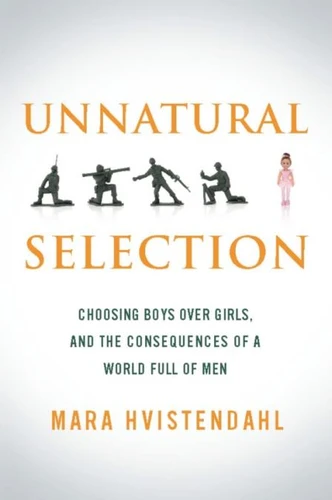
Unnatural Selection. Choosing Boys Over Girls, and the Consequences of a World Full of Men
Par :Formats :
Disponible dans votre compte client Decitre ou Furet du Nord dès validation de votre commande. Le format ePub protégé est :
- Compatible avec une lecture sur My Vivlio (smartphone, tablette, ordinateur)
- Compatible avec une lecture sur liseuses Vivlio
- Pour les liseuses autres que Vivlio, vous devez utiliser le logiciel Adobe Digital Edition. Non compatible avec la lecture sur les liseuses Kindle, Remarkable et Sony
- Non compatible avec un achat hors France métropolitaine
 , qui est-ce ?
Notre partenaire de plateforme de lecture numérique où vous retrouverez l'ensemble de vos ebooks gratuitement
Pour en savoir plus sur nos ebooks, consultez notre aide en ligne ici
C'est si simple ! Lisez votre ebook avec l'app Vivlio sur votre tablette, mobile ou ordinateur :

- Nombre de pages336
- FormatePub
- ISBN978-1-58648-991-5
- EAN9781586489915
- Date de parution06/06/2011
- Protection num.Adobe DRM
- Infos supplémentairesepub
- ÉditeurPublicAffairs
Résumé
Finalist for the Pulitzer PrizeA Slate Best Book of 2011A Discover Magazine Best Book of 2011 Lianyungang, a booming port city, has China's most extreme gender ratio for children under four: 163 boys for every 100 girls. These numbers don't seem terribly grim, but in ten years, the skewed sex ratio will pose a colossal challenge. By the time those children reach adulthood, their generation will have twenty-four million more men than women.
The prognosis for China's neighbors is no less bleak: Asia now has 163 million females "missing" from its population. Gender imbalance reaches far beyond Asia, affecting Georgia, Eastern Europe, and cities in the U. S. where there are significant immigrant populations. The world, therefore, is becoming increasingly male, and this mismatch is likely to create profound social upheaval. Historically, eras in which there have been an excess of men have produced periods of violent conflict and instability.
Mara Hvistendahl has written a stunning, impeccably-researched book that does not flinch from examining not only the consequences of the misbegotten policies of sex selection but Western complicity with them.
The prognosis for China's neighbors is no less bleak: Asia now has 163 million females "missing" from its population. Gender imbalance reaches far beyond Asia, affecting Georgia, Eastern Europe, and cities in the U. S. where there are significant immigrant populations. The world, therefore, is becoming increasingly male, and this mismatch is likely to create profound social upheaval. Historically, eras in which there have been an excess of men have produced periods of violent conflict and instability.
Mara Hvistendahl has written a stunning, impeccably-researched book that does not flinch from examining not only the consequences of the misbegotten policies of sex selection but Western complicity with them.