SOLDES
Jusqu'à -70% sur une sélection d'articles*

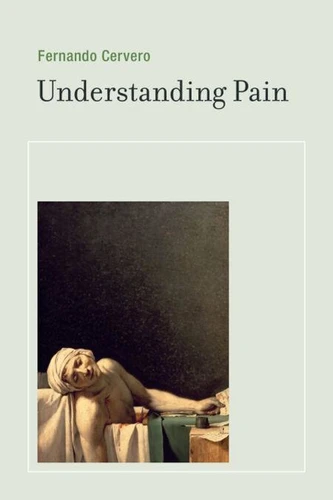
Understanding Pain. Exploring the Perception of Pain
Par :Formats :
Disponible dans votre compte client Decitre ou Furet du Nord dès validation de votre commande. Le format ePub protégé est :
- Compatible avec une lecture sur My Vivlio (smartphone, tablette, ordinateur)
- Compatible avec une lecture sur liseuses Vivlio
- Pour les liseuses autres que Vivlio, vous devez utiliser le logiciel Adobe Digital Edition. Non compatible avec la lecture sur les liseuses Kindle, Remarkable et Sony
- Non compatible avec un achat hors France métropolitaine
 , qui est-ce ?
Notre partenaire de plateforme de lecture numérique où vous retrouverez l'ensemble de vos ebooks gratuitement
Pour en savoir plus sur nos ebooks, consultez notre aide en ligne ici
C'est si simple ! Lisez votre ebook avec l'app Vivlio sur votre tablette, mobile ou ordinateur :

- Nombre de pages188
- FormatePub
- ISBN978-0-262-30450-4
- EAN9780262304504
- Date de parution17/08/2012
- Protection num.Adobe DRM
- Taille2 Mo
- Infos supplémentairesepub
- ÉditeurThe MIT Press
Résumé
An expert explores the biological and emotional nature of pain: why it hurts and why some pain is good and some pain is bad. If you touch something hot, it hurts. You snatch your hand away from the hot thing immediately. Obviously. But what is really happening, biologically-and emotionally? In Understanding Pain, Fernando Cervero explores the mechanisms and the meaning of pain. When you touch something hot, your brain triggers a reflex action that causes you to withdraw your hand, protecting you from injury.
That kind of pain, Cervero explains, is actually good for us; it acts as an alarm that warns us of danger and keeps us away from harm. But, Cervero tells us, not all pain is good for you. There is another kind of pain that is more like a curse: chronic pain that is not related to injury. This is the kind of pain that fills pain clinics and makes life miserable. Cervero describes current research into the mysteries of chronic pain and efforts to develop more effective treatments.
Cervero reminds us that pain is the most common reason for people to seek medical attention, but that it remains a biological enigma. It is protective, but not always. Its effects are not only sensory but also emotional. There is no way to measure it objectively, no test that comes back positive for pain; the only way a medical professional can gauge pain is by listening to the patient's description of it.
The idea of pain as a test of character or a punishment to be borne is changing; prevention and treatment of pain are increasingly important to researchers, clinicians, and patients. Cervero's account brings us closer to understanding the meaning of pain.
That kind of pain, Cervero explains, is actually good for us; it acts as an alarm that warns us of danger and keeps us away from harm. But, Cervero tells us, not all pain is good for you. There is another kind of pain that is more like a curse: chronic pain that is not related to injury. This is the kind of pain that fills pain clinics and makes life miserable. Cervero describes current research into the mysteries of chronic pain and efforts to develop more effective treatments.
Cervero reminds us that pain is the most common reason for people to seek medical attention, but that it remains a biological enigma. It is protective, but not always. Its effects are not only sensory but also emotional. There is no way to measure it objectively, no test that comes back positive for pain; the only way a medical professional can gauge pain is by listening to the patient's description of it.
The idea of pain as a test of character or a punishment to be borne is changing; prevention and treatment of pain are increasingly important to researchers, clinicians, and patients. Cervero's account brings us closer to understanding the meaning of pain.