SOLDES
Jusqu'à -70% sur une sélection d'articles*

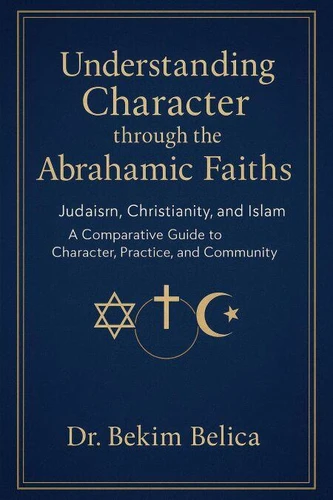
Understanding Character through the Abrahamic Faiths: Judaism, Christianity, and Islam A Comparative Guide to Character, Practice, and Community
Par :Formats :
Disponible dans votre compte client Decitre ou Furet du Nord dès validation de votre commande. Le format ePub est :
- Compatible avec une lecture sur My Vivlio (smartphone, tablette, ordinateur)
- Compatible avec une lecture sur liseuses Vivlio
- Pour les liseuses autres que Vivlio, vous devez utiliser le logiciel Adobe Digital Edition. Non compatible avec la lecture sur les liseuses Kindle, Remarkable et Sony
 , qui est-ce ?
Notre partenaire de plateforme de lecture numérique où vous retrouverez l'ensemble de vos ebooks gratuitement
Pour en savoir plus sur nos ebooks, consultez notre aide en ligne ici
C'est si simple ! Lisez votre ebook avec l'app Vivlio sur votre tablette, mobile ou ordinateur :

- FormatePub
- ISBN8235536937
- EAN9798235536937
- Date de parution26/12/2025
- Protection num.pas de protection
- Infos supplémentairesepub
- ÉditeurIoakim Ioakim
Résumé
Understanding Character through the Abrahamic Faiths: Judaism, Christianity, and Islam: A Comparative Guide to Character, Practice, and Community explores how three major religious traditions understand what it means to live a good, meaningful, and ethical life. This guide introduces key beliefs, stories, and practices that shape character in each faith, including covenant and mitzvot in Judaism, discipleship and grace in Christianity, and submission to God and the Five Pillars in Islam.
Readers will examine how virtues such as compassion, justice, humility, forgiveness, and service are taught, practiced, and strengthened through scripture, worship, rituals, and community life. Designed for students, educators, and anyone interested in religion and ethics, the guide uses clear language, side-by-side comparisons, and real-world examples to highlight both shared values and important differences among the three traditions.
Throughout, it emphasizes respectful dialogue, critical reflection, and the practical relevance of religious ideas for personal growth and social responsibility. By the end, readers will better understand how Judaism, Christianity, and Islam shape moral character in individual believers, families, communities, and societies. They will also consider how these insights can inform their own journey toward integrity, empathy, and responsible citizenship.
Readers will examine how virtues such as compassion, justice, humility, forgiveness, and service are taught, practiced, and strengthened through scripture, worship, rituals, and community life. Designed for students, educators, and anyone interested in religion and ethics, the guide uses clear language, side-by-side comparisons, and real-world examples to highlight both shared values and important differences among the three traditions.
Throughout, it emphasizes respectful dialogue, critical reflection, and the practical relevance of religious ideas for personal growth and social responsibility. By the end, readers will better understand how Judaism, Christianity, and Islam shape moral character in individual believers, families, communities, and societies. They will also consider how these insights can inform their own journey toward integrity, empathy, and responsible citizenship.