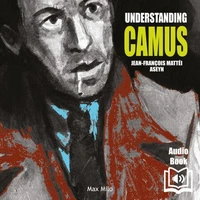
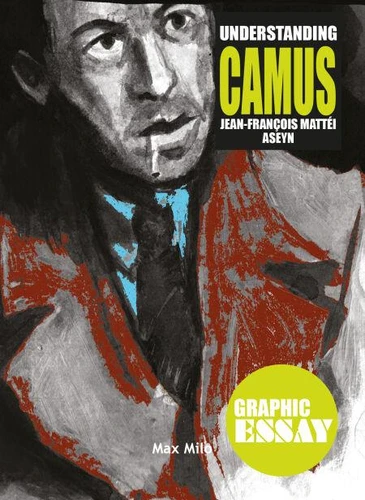
Albert Camus is prone to many misunderstandings. Jean-François Mattéi seeks to dispel them by offering us an innovative reading of this philosopher's work.
He shows us that it is by tackling the three cycles of his work (the absurd, revolt, love) that we can better understand his various positions: his radical rejection of the death penalty and the atomic bomb, his distrust of revolution and his stance on Algeria.
The book also takes into account an intimate element in the construction of the philosopher and his thought: his love for his mother.
A clear, fascinating little book for (re)discovering Camus.
Albert Camus is prone to many misunderstandings. Jean-François Mattéi seeks to dispel them by offering us an innovative reading of this philosopher's work.
He shows us that it is by tackling the three cycles of his work (the absurd, revolt, love) that we can better understand his various positions: his radical rejection of the death penalty and the atomic bomb, his distrust of revolution and his stance on Algeria.
The book also takes into account an intimate element in the construction of the philosopher and his thought: his love for his mother.
A clear, fascinating little book for (re)discovering Camus.


 , qui est-ce ?