
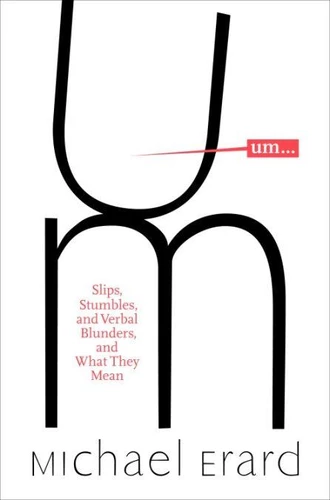
Um. . .. Slips, Stumbles, and Verbal Blunders, and What They Mean
Par :Formats :
Disponible dans votre compte client Decitre ou Furet du Nord dès validation de votre commande. Le format ePub protégé est :
- Compatible avec une lecture sur My Vivlio (smartphone, tablette, ordinateur)
- Compatible avec une lecture sur liseuses Vivlio
- Pour les liseuses autres que Vivlio, vous devez utiliser le logiciel Adobe Digital Edition. Non compatible avec la lecture sur les liseuses Kindle, Remarkable et Sony
- Non compatible avec un achat hors France métropolitaine
 , qui est-ce ?
Notre partenaire de plateforme de lecture numérique où vous retrouverez l'ensemble de vos ebooks gratuitement
Pour en savoir plus sur nos ebooks, consultez notre aide en ligne ici
C'est si simple ! Lisez votre ebook avec l'app Vivlio sur votre tablette, mobile ou ordinateur :

- Nombre de pages320
- FormatePub
- ISBN978-0-375-42515-8
- EAN9780375425158
- Date de parution21/08/2007
- Protection num.Adobe DRM
- Taille876 Ko
- Infos supplémentairesepub
- ÉditeurAnchor
Résumé
Essential reading for talkers and listeners of all stripes: An original, entertaining, and surprising book that investigates verbal blunders: what they are, what they say about those who make them, and how and why we've come to judge them. "An enjoyable tour of linguistic mishaps." -The New York Times Book Review Um... is about how you really speak, and why it's normal for your everyday speech to be filled with errors-about one in every ten words.
In this charming, engaging account of language in the wild, linguist and writer Michael Erard also explains why our attention to some blunders rises and falls. Where did the Freudian slip come from? Why do we prize "umlessness" in speaking-and should we? And how do we explain the American presidents who are famous for their verbal stumbles?
In this charming, engaging account of language in the wild, linguist and writer Michael Erard also explains why our attention to some blunders rises and falls. Where did the Freudian slip come from? Why do we prize "umlessness" in speaking-and should we? And how do we explain the American presidents who are famous for their verbal stumbles?
A propos de Michael Erard

15,99 €