SOLDES
Jusqu'à -70% sur une sélection d'articles*

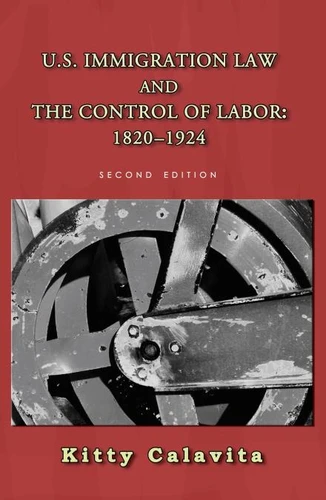
U.S. Immigration Law and the Control of Labor: 1820-1924
Par :Formats :
Disponible dans votre compte client Decitre ou Furet du Nord dès validation de votre commande. Le format ePub est :
- Compatible avec une lecture sur My Vivlio (smartphone, tablette, ordinateur)
- Compatible avec une lecture sur liseuses Vivlio
- Pour les liseuses autres que Vivlio, vous devez utiliser le logiciel Adobe Digital Edition. Non compatible avec la lecture sur les liseuses Kindle, Remarkable et Sony
 , qui est-ce ?
Notre partenaire de plateforme de lecture numérique où vous retrouverez l'ensemble de vos ebooks gratuitement
Pour en savoir plus sur nos ebooks, consultez notre aide en ligne ici
C'est si simple ! Lisez votre ebook avec l'app Vivlio sur votre tablette, mobile ou ordinateur :

- FormatePub
- ISBN978-1-61027-416-6
- EAN9781610274166
- Date de parution03/07/2020
- Protection num.pas de protection
- Infos supplémentairesepub
- ÉditeurMark Childress
Résumé
Reagan's 1986 immigration reform law offered a composite of contradictory measures: sanctions curtailed employment of undocumented workers while other programs enhanced labor supply. Immigration law today continues the theme of contradictions and unmet goals. But hasn't it always been so? Examining a century of U. S. immigration laws, from the nation's early stages of industrialization to enactment of the quota system, Calavita explores the hypocrisy, subtext, and racism permeating an unrelenting influx of European labor.
Now in its second edition, this groundbreaking book offers a materialist theory of the state to explain the zigzagging policies that alternately encouraged and ostensibly were meant to control the influx. The author adds a 2020 Preface to place the historical record into modern relief, even in the age of presidential characterization of immigrants as violent criminals and terrorists. Writing in a new Foreword, Susan Bibler Coutin is "struck by the relevance of Calavita's analysis to current debates over immigration policy, " as this social history "reveals alternatives to the present moment: over much of U.
S. history, government officials actively recruited immigrants, even when segments of the public sought restrictions." The aim was not "social justice or human rights, but rather to fuel economic expansion, depress wages, and counter unionization." The book is recommended to a wide audience: "The theoretical discussion is accessible to new students as well as established scholars, and the rich documentary record sheds light on how current dynamics were set in motion.""Calavita lucidly and brilliantly clarifies the linkages among economic structure, ideology, and law making.
She effectively depicts the history of U. S. immigration legislation as a series of attempted resolutions to recurring dilemmas rooted in the fiscal and legitimation crises facing the state."- Marjorie Zatz, Vice Provost, UC-Merced, in International Migration Review (1986)
Now in its second edition, this groundbreaking book offers a materialist theory of the state to explain the zigzagging policies that alternately encouraged and ostensibly were meant to control the influx. The author adds a 2020 Preface to place the historical record into modern relief, even in the age of presidential characterization of immigrants as violent criminals and terrorists. Writing in a new Foreword, Susan Bibler Coutin is "struck by the relevance of Calavita's analysis to current debates over immigration policy, " as this social history "reveals alternatives to the present moment: over much of U.
S. history, government officials actively recruited immigrants, even when segments of the public sought restrictions." The aim was not "social justice or human rights, but rather to fuel economic expansion, depress wages, and counter unionization." The book is recommended to a wide audience: "The theoretical discussion is accessible to new students as well as established scholars, and the rich documentary record sheds light on how current dynamics were set in motion.""Calavita lucidly and brilliantly clarifies the linkages among economic structure, ideology, and law making.
She effectively depicts the history of U. S. immigration legislation as a series of attempted resolutions to recurring dilemmas rooted in the fiscal and legitimation crises facing the state."- Marjorie Zatz, Vice Provost, UC-Merced, in International Migration Review (1986)