SOLDES
Jusqu'à -70% sur une sélection d'articles*

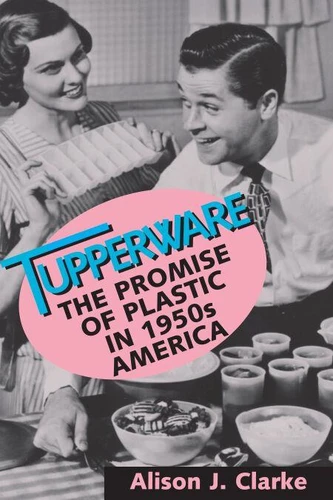
Tupperware. The Promise of Plastic in 1950s America
Par :Formats :
Disponible dans votre compte client Decitre ou Furet du Nord dès validation de votre commande. Le format ePub protégé est :
- Compatible avec une lecture sur My Vivlio (smartphone, tablette, ordinateur)
- Compatible avec une lecture sur liseuses Vivlio
- Pour les liseuses autres que Vivlio, vous devez utiliser le logiciel Adobe Digital Edition. Non compatible avec la lecture sur les liseuses Kindle, Remarkable et Sony
- Non compatible avec un achat hors France métropolitaine
 , qui est-ce ?
Notre partenaire de plateforme de lecture numérique où vous retrouverez l'ensemble de vos ebooks gratuitement
Pour en savoir plus sur nos ebooks, consultez notre aide en ligne ici
C'est si simple ! Lisez votre ebook avec l'app Vivlio sur votre tablette, mobile ou ordinateur :

- Nombre de pages256
- FormatePub
- ISBN978-1-58834-436-6
- EAN9781588344366
- Date de parution30/09/2014
- Protection num.Adobe DRM
- Taille44 Mo
- Infos supplémentairesepub
- ÉditeurSmithsonian Books
Résumé
From Wonder Bowls to Ice-Tup molds to Party Susans, Tupperware has become an icon of suburban living. Tracing the fortunes of Earl Tupper's polyethylene containers from early design to global distribution, Alison J. Clarke explains how Tupperware tapped into potent commercial and social forces, becoming a prevailing symbol of late twentieth-century consumer culture. Invented by Earl Tupper in the 1940s to promote thrift and cleanliness, the pastel plasticwares were touted as essential to a postwar lifestyle that emphasized casual entertaining and celebrated America's material abundance.
By the mid-1950s the Tupperware party, which gathered women in a hostess's home for lively product demonstrations and sales, was the foundation of a multimillion-dollar business that proved as innovative as the containers themselves. Clarke shows how the "party plan" direct sales system, by creating a corporate culture based on women's domestic lives, played a greater role than patented seals and streamlined design in the success of Tupperware.
By the mid-1950s the Tupperware party, which gathered women in a hostess's home for lively product demonstrations and sales, was the foundation of a multimillion-dollar business that proved as innovative as the containers themselves. Clarke shows how the "party plan" direct sales system, by creating a corporate culture based on women's domestic lives, played a greater role than patented seals and streamlined design in the success of Tupperware.