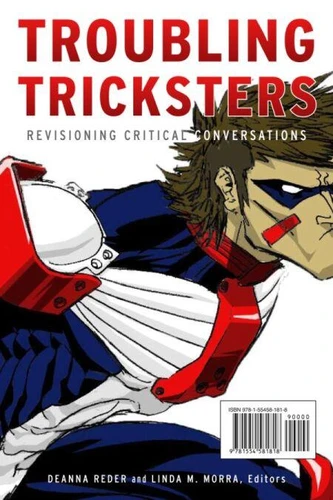
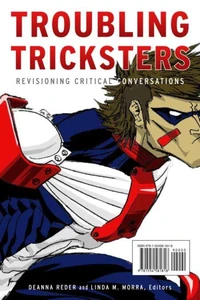
Troubling Tricksters is a collection of theoretical essays, creative pieces, and critical ruminations that provides a re-visioning of trickster criticism in light of recent backlash against it. The complaints of some Indigenous writers, the critique from Indigenous nationalist critics, and the changing of academic fashion have resulted in few new studies on the trickster. For example, The Cambridge Companion to Native American Literature (2005), includes only a brief mention of the trickster, with skeptical commentary.
And, in 2007, Anishinaabe scholar Niigonwedom Sinclair (a contributor to this volume) called for a moratorium on studies of the trickster irrelevant to the specific experiences and interests of Indigenous nations. One of the objectives of this anthology is, then, to encourage scholarship that is mindful of the critic's responsibility to communities, and to focus discussions on incarnations of tricksters in their particular national contexts.
The contribution of Troubling Tricksters, therefore, is twofold: to offer a timely counterbalance to this growing critical lacuna, and to propose new approaches to trickster studies, approaches that have been clearly influenced by the nationalists' call for cultural and historical specificity.
Troubling Tricksters is a collection of theoretical essays, creative pieces, and critical ruminations that provides a re-visioning of trickster criticism in light of recent backlash against it. The complaints of some Indigenous writers, the critique from Indigenous nationalist critics, and the changing of academic fashion have resulted in few new studies on the trickster. For example, The Cambridge Companion to Native American Literature (2005), includes only a brief mention of the trickster, with skeptical commentary.
And, in 2007, Anishinaabe scholar Niigonwedom Sinclair (a contributor to this volume) called for a moratorium on studies of the trickster irrelevant to the specific experiences and interests of Indigenous nations. One of the objectives of this anthology is, then, to encourage scholarship that is mindful of the critic's responsibility to communities, and to focus discussions on incarnations of tricksters in their particular national contexts.
The contribution of Troubling Tricksters, therefore, is twofold: to offer a timely counterbalance to this growing critical lacuna, and to propose new approaches to trickster studies, approaches that have been clearly influenced by the nationalists' call for cultural and historical specificity.