Tristram Shandy and A Sentimental Journey
Par :Formats :
Disponible dans votre compte client Decitre ou Furet du Nord dès validation de votre commande. Le format ePub protégé est :
- Compatible avec une lecture sur My Vivlio (smartphone, tablette, ordinateur)
- Compatible avec une lecture sur liseuses Vivlio
- Pour les liseuses autres que Vivlio, vous devez utiliser le logiciel Adobe Digital Edition. Non compatible avec la lecture sur les liseuses Kindle, Remarkable et Sony
- Non compatible avec un achat hors France métropolitaine
 , qui est-ce ?
Notre partenaire de plateforme de lecture numérique où vous retrouverez l'ensemble de vos ebooks gratuitement
Pour en savoir plus sur nos ebooks, consultez notre aide en ligne ici
C'est si simple ! Lisez votre ebook avec l'app Vivlio sur votre tablette, mobile ou ordinateur :

- Nombre de pages752
- FormatePub
- ISBN0-679-64196-3
- EAN9780679641964
- Date de parution10/02/1999
- Protection num.Adobe DRM
- Taille1 Mo
- Infos supplémentairesepub
- ÉditeurModern Library
Résumé
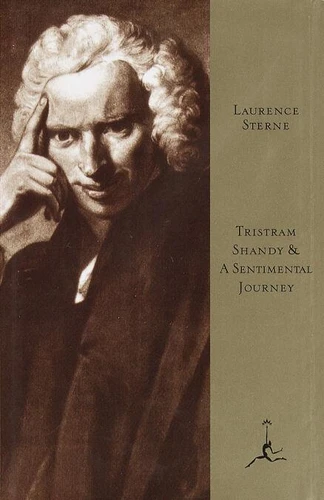
Tristram Shandy provoked a literary sensation when it first appeared in a series of installments between 1759 and 1767. The ribald, high-spirited book prompted Diderot to hail Sterne as 'the English Rabelais.' An ingeniously structured novel (about writing a novel) that fascinates like a verbal game of chess, Tristram Shandy is both a joyful celebration of the infinite possibilities of the art of fiction and a wry demonstration of its limitations.
Many view this picaresque masterpiece as the precursor of the modern novel. A Sentimental Journey, which came out in 1768, begins as a travelogue. Yet it ends as a treasury of portraits, sketches, and philosophical musings, for as Virginia Woolf observed: 'A Sentimental Journey, for all its levity and wit, is based upon something fundamentally philosophic--the philosophy of pleasure.'
Many view this picaresque masterpiece as the precursor of the modern novel. A Sentimental Journey, which came out in 1768, begins as a travelogue. Yet it ends as a treasury of portraits, sketches, and philosophical musings, for as Virginia Woolf observed: 'A Sentimental Journey, for all its levity and wit, is based upon something fundamentally philosophic--the philosophy of pleasure.'