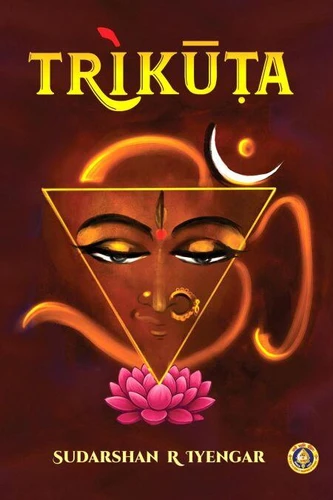
Trikuta: An Exploration of the Lalitha SahasranamaTrikuta is an exploration of the first 54 namas (names) of the Lalitha Sahasranama, a sacred composition consisting of a thousand names of the Devi. This work serves as an introduction to the text for both those familiar and unfamiliar with it. The Three Kutas (Divisions)The first 54 names specifically describe the physical form of the Devi, which is divided into three sections or "kutas": Vagbhava Kuta: The face, extending from the top of the head to the chin or neck.
Madhya Kuta: The torso, extending from the neck down to the waist. Shakti Kuta: The lower body, extending from the waist down to the toes of the feet. Philosophical Vision and PurposeThe book focuses on the physical form of the Devi to evoke devotion in the heart of the seeker (sadhaka). However, the ultimate goal is to move beyond the physical: Internalization: Each nama serves as an invitation to meditate and internalize the Devi's form within one's own consciousness.
From Form to Formless: The journey of Trikuta is to transition from the external form to the formless experience of supreme consciousness (Brahman or the Self). Symbolism: Lalitha Tripurasundari (Parashakti) symbolizes this supreme consciousness. Structure of the Work Textual Introduction: The book begins with several pages of introductory text. Detailed Namas: Each of the 54 names is explored in detail.
Visual Representation: The book includes visual images of the Devi where specific features are highlighted in accordance with the shloka (e.g., highlighting the eyes when the text describes them). The overall journey is described as a path inward, where through Mother's grace, the form focused upon externally begins to appear within and eventually dissolves into an eternal experience of the self.
Trikuta: An Exploration of the Lalitha SahasranamaTrikuta is an exploration of the first 54 namas (names) of the Lalitha Sahasranama, a sacred composition consisting of a thousand names of the Devi. This work serves as an introduction to the text for both those familiar and unfamiliar with it. The Three Kutas (Divisions)The first 54 names specifically describe the physical form of the Devi, which is divided into three sections or "kutas": Vagbhava Kuta: The face, extending from the top of the head to the chin or neck.
Madhya Kuta: The torso, extending from the neck down to the waist. Shakti Kuta: The lower body, extending from the waist down to the toes of the feet. Philosophical Vision and PurposeThe book focuses on the physical form of the Devi to evoke devotion in the heart of the seeker (sadhaka). However, the ultimate goal is to move beyond the physical: Internalization: Each nama serves as an invitation to meditate and internalize the Devi's form within one's own consciousness.
From Form to Formless: The journey of Trikuta is to transition from the external form to the formless experience of supreme consciousness (Brahman or the Self). Symbolism: Lalitha Tripurasundari (Parashakti) symbolizes this supreme consciousness. Structure of the Work Textual Introduction: The book begins with several pages of introductory text. Detailed Namas: Each of the 54 names is explored in detail.
Visual Representation: The book includes visual images of the Devi where specific features are highlighted in accordance with the shloka (e.g., highlighting the eyes when the text describes them). The overall journey is described as a path inward, where through Mother's grace, the form focused upon externally begins to appear within and eventually dissolves into an eternal experience of the self.

 , qui est-ce ?
