SOLDES
Jusqu'à -70% sur une sélection d'articles*

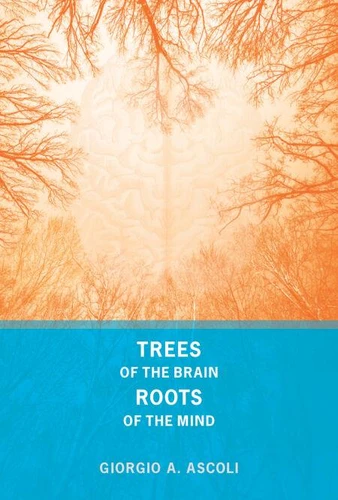
Trees of the Brain, Roots of the Mind
Par :Formats :
Disponible dans votre compte client Decitre ou Furet du Nord dès validation de votre commande. Le format ePub protégé est :
- Compatible avec une lecture sur My Vivlio (smartphone, tablette, ordinateur)
- Compatible avec une lecture sur liseuses Vivlio
- Pour les liseuses autres que Vivlio, vous devez utiliser le logiciel Adobe Digital Edition. Non compatible avec la lecture sur les liseuses Kindle, Remarkable et Sony
- Non compatible avec un achat hors France métropolitaine
 , qui est-ce ?
Notre partenaire de plateforme de lecture numérique où vous retrouverez l'ensemble de vos ebooks gratuitement
Pour en savoir plus sur nos ebooks, consultez notre aide en ligne ici
C'est si simple ! Lisez votre ebook avec l'app Vivlio sur votre tablette, mobile ou ordinateur :

- Nombre de pages248
- FormatePub
- ISBN978-0-262-32903-3
- EAN9780262329033
- Date de parution24/04/2015
- Protection num.Adobe DRM
- Taille5 Mo
- Infos supplémentairesepub
- ÉditeurThe MIT Press
Résumé
An examination of the stunning beauty of the brain's cellular form, with many color illustrations, and a provocative claim about the mind-brain relationship. The human brain is often described as the most complex object in the universe. Tens of billions of nerve cells-tiny tree-like structures-make up a massive network with enormous computational power. In this book, Giorgio Ascoli reveals another aspect of the human brain: the stunning beauty of its cellular form.
Doing so, he makes a provocative claim about the mind-brain relationship. If each nerve cell enlarged a thousandfold looks like a tree, then a small region of the nervous system at the same magnified scale resembles a gigantic, fantastic forest. This structural majesty-illustrated throughout the book with extraordinary color images-hides the secrets behind the genesis of our mental states. Ascoli proposes that some of the most intriguing mysteries of the mind can be solved using the basic architectural principles of the brain.
After an overview of the scientific and philosophical foundations of his argument, Ascoli links mental states with patterns of electrical activity in nerve cells, presents an emerging minority opinion of how the brain learns from experience, and unveils a radically new hypothesis of the mechanism determining what is learned, what isn't, and why. Finally, considering these notions in the context of the cosmic diversity within and among brains, Ascoli offers a new perspective on the roots of individuality and humanity.
Doing so, he makes a provocative claim about the mind-brain relationship. If each nerve cell enlarged a thousandfold looks like a tree, then a small region of the nervous system at the same magnified scale resembles a gigantic, fantastic forest. This structural majesty-illustrated throughout the book with extraordinary color images-hides the secrets behind the genesis of our mental states. Ascoli proposes that some of the most intriguing mysteries of the mind can be solved using the basic architectural principles of the brain.
After an overview of the scientific and philosophical foundations of his argument, Ascoli links mental states with patterns of electrical activity in nerve cells, presents an emerging minority opinion of how the brain learns from experience, and unveils a radically new hypothesis of the mechanism determining what is learned, what isn't, and why. Finally, considering these notions in the context of the cosmic diversity within and among brains, Ascoli offers a new perspective on the roots of individuality and humanity.