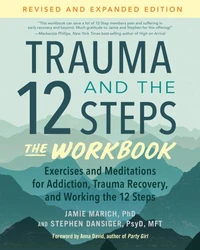
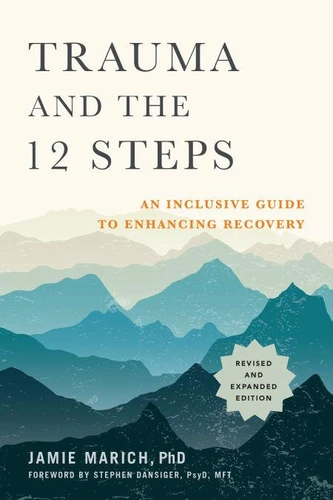
An inclusive, research-based guide to working the 12 steps: a trauma-informed approach for clinicians, sponsors, and those in recovery. Step 1: You admit that you're powerless over your addiction. Now what?12-step programs like Alcoholics Anonymous (AA) and Narcotics Anonymous (NA) have helped countless people on the path to recovery. But many still feel that 12-step programs aren't for them: that the spiritual emphasis is too narrow, the modality too old-school, the setting too triggering, or the space too exclusive.
Some struggle with an addict label that can eclipse the histories, traumas, and experiences that feed into addiction, or dismisses the effects of adverse experiences like trauma in the first place. Advances in addiction medicine, trauma, neuropsychiatry, social theory, and overall strides in inclusivity need to be integrated into modern-day 12-step programs to reflect the latest research and what it means to live with an addiction today.
Dr. Jamie Marich, an addiction and trauma clinician in recovery herself, builds necessary bridges between the 12-step's core foundations and up-to-date developments in trauma-informed care. Foregrounding the intersections of addiction, trauma, identity, and systems of oppression, Marich's approach treats the whole person--not just the addiction--to foster healing, transformation, and growth. Written for clinicians, therapists, sponsors, and those in recovery, Marich provides an extensive toolkit of trauma-informed skills that: Explains how trauma impacts addiction, recovery, and relapse Celebrates communities who may feel excluded from the program, like atheists, agnostics, and LGBTQ+ folks Welcomes outside help from the fields of trauma, dissociation, mindfulness, and addiction research Explains the differences between being trauma-informed and trauma-sensitive; and Discusses spiritual abuse as a legitimate form of trauma that can profoundly impede spirituality-based approaches to healing.
An inclusive, research-based guide to working the 12 steps: a trauma-informed approach for clinicians, sponsors, and those in recovery. Step 1: You admit that you're powerless over your addiction. Now what?12-step programs like Alcoholics Anonymous (AA) and Narcotics Anonymous (NA) have helped countless people on the path to recovery. But many still feel that 12-step programs aren't for them: that the spiritual emphasis is too narrow, the modality too old-school, the setting too triggering, or the space too exclusive.
Some struggle with an addict label that can eclipse the histories, traumas, and experiences that feed into addiction, or dismisses the effects of adverse experiences like trauma in the first place. Advances in addiction medicine, trauma, neuropsychiatry, social theory, and overall strides in inclusivity need to be integrated into modern-day 12-step programs to reflect the latest research and what it means to live with an addiction today.
Dr. Jamie Marich, an addiction and trauma clinician in recovery herself, builds necessary bridges between the 12-step's core foundations and up-to-date developments in trauma-informed care. Foregrounding the intersections of addiction, trauma, identity, and systems of oppression, Marich's approach treats the whole person--not just the addiction--to foster healing, transformation, and growth. Written for clinicians, therapists, sponsors, and those in recovery, Marich provides an extensive toolkit of trauma-informed skills that: Explains how trauma impacts addiction, recovery, and relapse Celebrates communities who may feel excluded from the program, like atheists, agnostics, and LGBTQ+ folks Welcomes outside help from the fields of trauma, dissociation, mindfulness, and addiction research Explains the differences between being trauma-informed and trauma-sensitive; and Discusses spiritual abuse as a legitimate form of trauma that can profoundly impede spirituality-based approaches to healing.


 , qui est-ce ?